
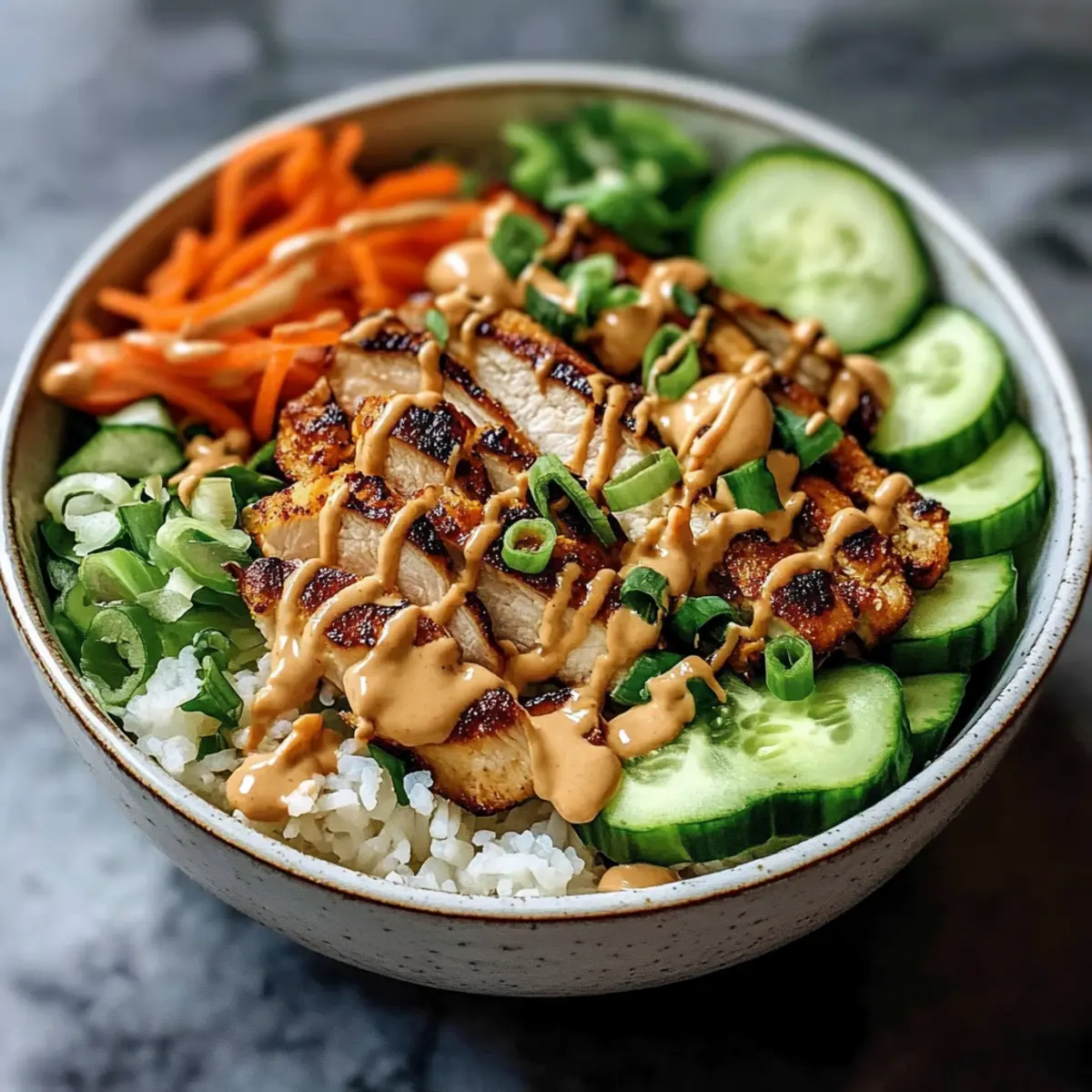
As I was stirring my pot of creamy peanut sauce the other evening, the rich, nutty aroma whisked me away to a bustling Bangkok street market. This High Protein Thai Peanut Chicken Buddha Bowl has since become my go-to quick meal, combining vibrant veggies with tender chicken, all cloaked in that irresistible sauce. Ready in just 20 minutes, this dish not only satisfies hunger but also delivers over 30 grams of protein—perfect for a nourishing lunch or dinner that feels like an indulgence without the takeout fuss. The customization options are endless: swap in shrimp, tofu, or leftover rotisserie chicken, and explore your favorite grains like quinoa or farro. Ready to dive into a bowl packed with flavor and goodness? Let’s whip this up together!
Why Make a Thai Buddha Bowl?
Satisfying and quick to prepare, this Thai Peanut Chicken Buddha Bowl is perfect for busy days! Customization is key, allowing you to swap proteins like shrimp or tofu easily. Flavor-packed, each bite delivers a delightful blend of creamy peanut sauce and crunchy fresh veggies. Nutrient-dense, it’s rich in protein—over 30 grams per serving! For those who love meal prep, simply store components separately for a fresh meal at any time. Don’t forget to check out our Mediterranean Tzatziki Chicken Salad for another delicious healthy option!
Thai Peanut Chicken Buddha Bowl Ingredients
For the Chicken
- Boneless Skinless Chicken Breast – This is your primary protein source; always opt for organic for the best texture and flavor.
- Garlic Powder – Enhances the chicken’s flavor profile.
- Ground Ginger – Adds an authentic Asian twist and a zestful kick.
- Salt – Essential for seasoning your chicken right.
- Black Pepper – Provides a mild kick and enhances overall flavor.
- Olive Oil – Use this for cooking to ensure even browning of the chicken.
For the Grain Base
- Brown Rice or Quinoa – A satisfying base that provides beneficial fiber and carbs; can also substitute with other grains as desired.
For the Vegetables
- Carrots – They bring a lovely crunch and vibrant color; julienne or shred them for easier eating.
- English Cucumber – Offers a refreshing bite; slice thin for easy incorporation into your bowl.
- Red Bell Pepper – Adds sweetness and striking color; thinly sliced for better presentation.
- Edamame – A fantastic way to add extra protein and fiber; ensure they’re shelled and cooked.
For the Peanut Sauce
- Creamy Peanut Butter – The star ingredient that provides the sauce’s rich, nutty base.
- Low-Sodium Soy Sauce – Great for that umami punch while keeping sodium in check.
- Rice Vinegar – Offers acidity to perfectly balance the flavors.
- Honey – Adds a touch of natural sweetness that you can adjust to your liking.
- Sesame Oil – Gives a delightful nutty aroma to the sauce.
- Warm Water – Thins the sauce to your desired consistency.
For the Garnish
- Green Onions – Sprinkle these on top for a fresh flavor boost.
- Sesame Seeds – The finishing touch that adds a lovely crunch and visual appeal.
This Thai Peanut Chicken Buddha Bowl is not only aesthetically pleasing but also bursts with flavor and goodness!
Step‑by‑Step Instructions for Thai Peanut Chicken Buddha Bowl
Step 1: Prepare the Chicken
Begin by slicing your boneless skinless chicken breast into bite-sized strips. In a mixing bowl, season the chicken with garlic powder, ground ginger, salt, and black pepper. Allow it to marinate for 5 minutes to absorb the flavors. This step ensures that your chicken will be tender and flavorful, ready to shine in your Thai Peanut Chicken Buddha Bowl.
Step 2: Cook the Chicken
Heat a skillet over medium-high heat and add olive oil. Once the oil is shimmering, add the marinated chicken strips to the skillet. Cook the chicken for 3-4 minutes on each side until golden brown and the internal temperature reaches 165°F, ensuring it’s fully cooked. This golden color will enhance the overall presentation of your bowl.
Step 3: Make the Peanut Sauce
While the chicken is cooking, prepare the peanut sauce in a separate mixing bowl. Whisk together creamy peanut butter, low-sodium soy sauce, rice vinegar, honey, and sesame oil until smooth. Gradually add warm water to achieve your desired consistency. The aim is a creamy sauce that will beautifully coat your Thai Peanut Chicken Buddha Bowl.
Step 4: Cook the Rice or Quinoa
Prepare your base grain by following the package instructions for either brown rice or quinoa. Typically, this involves rinsing the grains and simmering in water or broth for about 15-20 minutes. Fluff the cooked grains with a fork once finished, creating a light and fluffy base that complements the vibrant veggies and chicken.
Step 5: Assemble the Bowls
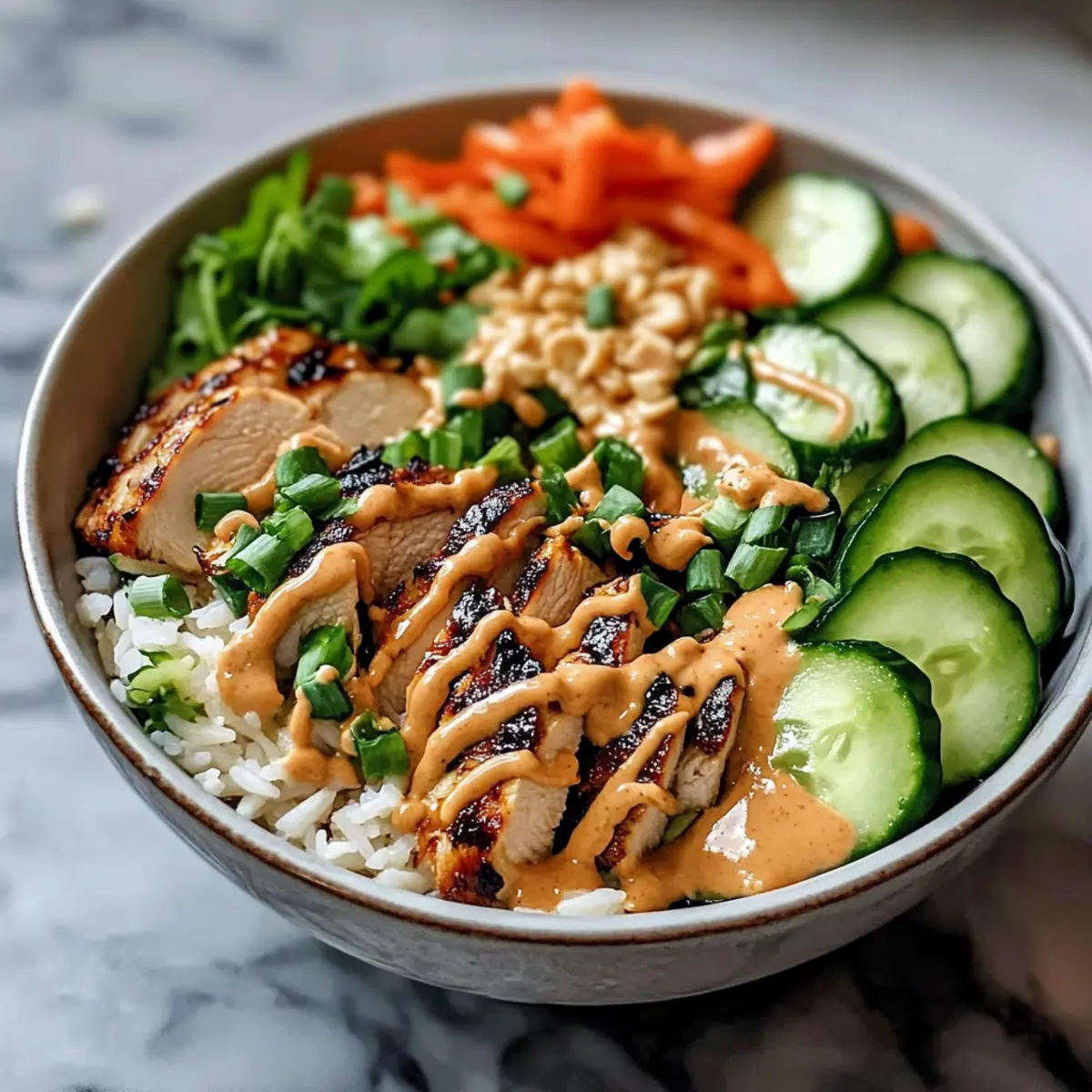
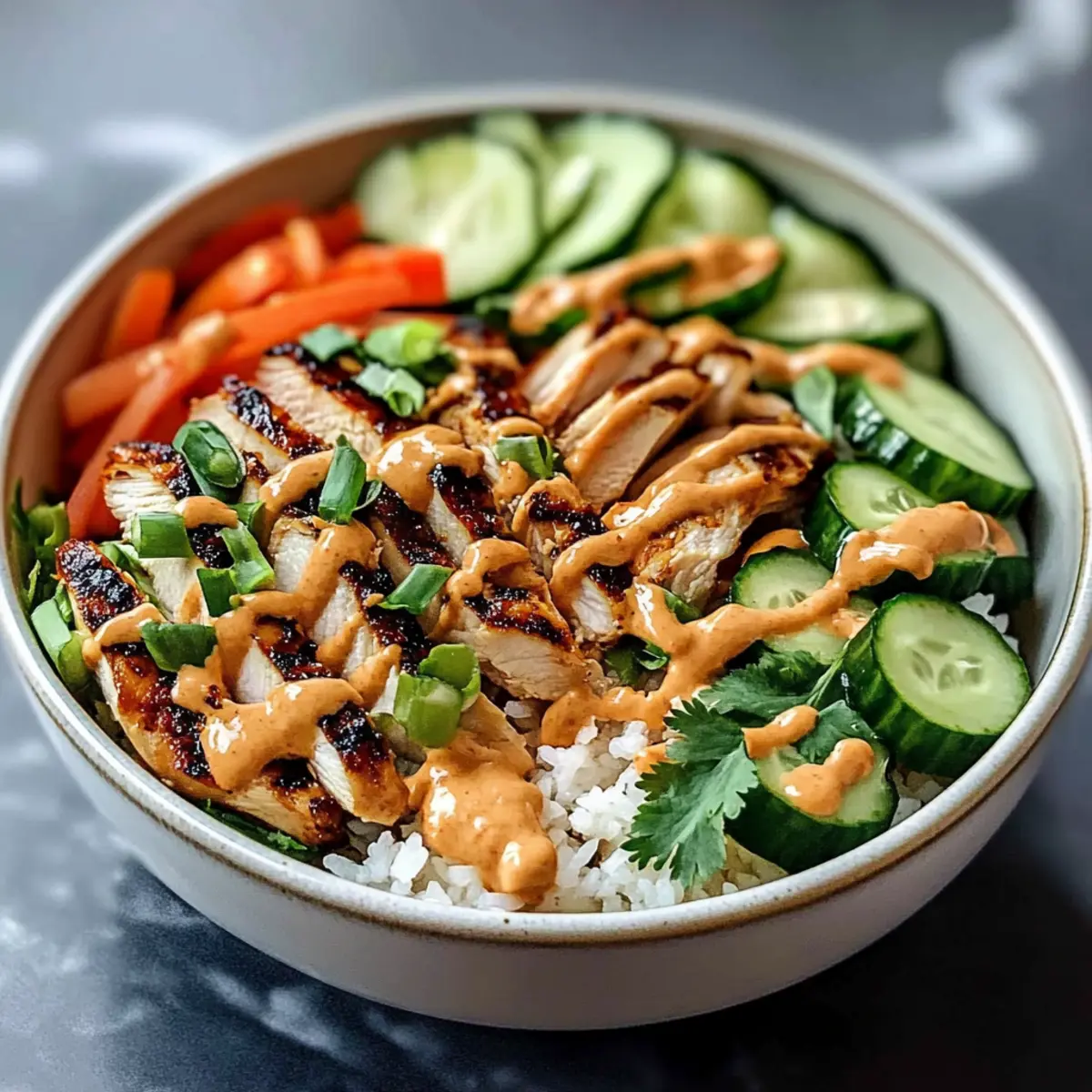
Now it’s time to assemble your Thai Peanut Chicken Buddha Bowl! Divide the cooked rice or quinoa evenly among four serving bowls. Then, artistically arrange the cooked chicken strips and an assortment of fresh vegetables: julienned carrots, sliced cucumber, thinly sliced red bell pepper, and shelled edamame, ensuring an eye-catching presentation.
Step 6: Finish with Peanut Sauce
Generously drizzle your homemade peanut sauce over the assembled bowls, allowing it to cascade beautifully over the chicken and veggies. This step not only adds flavor but brings everything together into a cohesive dish, epitomizing the essence of the Thai Peanut Chicken Buddha Bowl.
Step 7: Garnish and Serve
To complete your bowls, finish with a sprinkle of sliced green onions and sesame seeds for extra crunch and flavor. Serve immediately to enjoy the vibrant colors and fresh textures at their best. Your homemade Thai Peanut Chicken Buddha Bowl is now ready to be savored.
How to Store and Freeze Thai Peanut Chicken Buddha Bowl
Fridge: Store each component of the Thai Peanut Chicken Buddha Bowl separately in airtight containers for up to 2 days to maintain freshness and flavor.
Freezer: You can freeze the cooked chicken and peanut sauce for up to 3 months. Thaw in the fridge overnight before reheating for a quick meal.
Reheating: Reheat the chicken and sauce in a skillet over medium heat until warmed through. Avoid microwaving to preserve the chicken’s texture.
Assembly Tips: Assemble bowls just before eating. Keeping ingredients separate until serving allows for the freshest taste and a colorful presentation!
Thai Peanut Chicken Buddha Bowl Variations
Feel free to get creative with this recipe and adapt it to your tastes and dietary needs!
-
Dairy-Free: Use coconut cream instead of peanut butter for a nut-free option that still delivers creaminess.
-
Protein Swap: Substitute chicken with firm tofu or cooked shrimp for a delightful twist. Both options amplify the protein punch!
-
Whole Grain Base: Replace brown rice or quinoa with farro or barley for a nutty flavor and chewy texture. Each grain brings a unique flair to your bowl!
-
Extra Veggies: Toss in snap peas or sliced radishes for added crunch and color. These vibrant veggies elevate the fresh appeal of your Buddha bowl.
-
Spicy Kick: Add a teaspoon of sriracha to the peanut sauce for a spicy, flavor-packed experience. This twist is perfect for heat lovers!
-
Vegan Delight: Opt for tofu or chickpeas as a protein source and ensure the honey in the sauce is replaced with maple syrup for a fully vegan dish.
-
Asian Fusion: Throw in some pickled ginger or sesame-crusted avocado to add a punch of flavor. These garnishes enhance the overall depth of the dish!
-
Meal Prep Perfection: Prepare double the sauce and store it in the fridge for an easy, quick meal on a busy day. It pairs beautifully with any grain and protein combo!
If you enjoyed this flavor adventure, consider trying our Healthy Chicken Salad Puffs or explore the delightful taste of Asian Chicken Cranberry Salad for more delicious recipes that inspire customization!.
Make Ahead Options
These High Protein Thai Peanut Chicken Buddha Bowls are a fantastic choice for meal prep enthusiasts looking to save time during the week! You can prepare the rice or quinoa and the chicken (seasoned and cooked) up to 3 days in advance and store them separately in airtight containers. The fresh vegetables, like carrots, cucumber, and bell pepper, can be sliced and refrigerated up to 24 hours prior to serving. To maintain the crispness, keep the peanut sauce separate until you’re ready to warm the chicken and assemble your bowls. When it’s time to eat, simply reheat the chicken, assemble your bowl, and drizzle with sauce for a delicious, nutritious meal that feels like a special treat!
What to Serve with Thai Peanut Chicken Buddha Bowl
Elevate your dining experience with delightful sides and beverages that perfectly complement the vibrant flavors of your bowl.
-
Creamy Coconut Rice: The subtle sweetness of coconut milk adds a lovely contrast to the savory peanut sauce, enhancing each bite’s richness.
-
Thai Mango Salad: Fresh mango, herbs, and a zesty dressing bring a refreshing crunch, balancing the bowl’s creaminess with vibrant, fruity notes.
-
Steamed Broccoli: Tender, bright green florets provide a crisp texture and earthy flavor, making it a wholesome addition to your nutrient-rich meal.
-
Crispy Tofu Spring Rolls: These light, veggie-packed rolls offer a delightful crunch and are perfect for dipping in extra peanut sauce or sweet chili sauce.
-
Garlic Edamame: Warm, savory edamame toss with a garlic-sesame oil topping, brings even more protein and a subtle bite to your meal.
-
Cucumber Mint Water: Refreshingly light and hydrating, this option cleanses the palate while enhancing the fresh flavors of the Buddha bowl.
-
Green Smoothie: A nutrient-loaded drink filled with spinach, banana, and almond milk pairs wonderfully, offering a healthy sweetness to offset the spiciness of the meal.
-
Chilled Fruit Platter: A colorful arrangement of seasonal fruits like watermelon, berries, and pineapple provides a sweet finish, cleansing your palate beautifully after the savory bowl.
Expert Tips for Thai Peanut Chicken Buddha Bowl
- Choose Quality Chicken: Opt for organic, boneless skinless chicken breasts to enhance flavor and texture, ensuring a tender bite in your Thai Peanut Chicken Buddha Bowl.
- Marinate Properly: Let your chicken marinate for at least 5 minutes after seasoning; this step infuses deeper flavor and tenderizes the meat perfectly.
- Prevent Sogginess: Keep the peanut sauce separate until serving to avoid soggy vegetables and maintain that delightful crunch.
- Use Fresh Veggies: Fresh ingredients are essential; try to incorporate seasonal veggies for maximum flavor and nutritional benefits in your bowl.
- Meal Prep Wisely: For hassle-free meals, store the cooked chicken, grains, and chopped veggies individually in airtight containers and assemble right before eating.
- Experiment with Grains: Feel free to switch up your base; farro or barley can provide unique flavors and textures while keeping it wholesome.
Thai Peanut Chicken Buddha Bowl Recipe FAQs
What is the best way to choose ripe vegetables for my Buddha Bowl?
Absolutely! When choosing vegetables for your Thai Peanut Chicken Buddha Bowl, go for those that are vibrant and fresh. Look for carrots that are firm and have smooth skin, cucumbers that are crisp with no dark spots, and bell peppers that are brightly colored and devoid of blemishes. Freshness ensures not only better flavor but also a more appealing presentation in your bowl.
How should I store my Thai Peanut Chicken Buddha Bowl components?
Very easy! Store each component in separate airtight containers in the fridge for up to 2 days. Keep the cooked chicken, grains, and veggies apart to maintain freshness. When ready to enjoy, simply assemble them together for a quick meal that’s as delicious as the first serving.
Can I freeze my cooked chicken and peanut sauce?
Absolutely! You can freeze the cooked chicken and peanut sauce for up to 3 months. To do this, allow the chicken and sauce to cool completely, then portion them into airtight freezer bags or containers. When you’re ready to eat, thaw them overnight in the refrigerator and reheat in a skillet over medium heat until warmed through—this preserves the chicken’s texture wonderfully!
How can I troubleshoot if my peanut sauce is too thick?
If your peanut sauce turns out thicker than preferred, don’t worry! Gradually add more warm water, a tablespoon at a time, and whisk until you reach your desired consistency. This is a common issue, especially if the peanut butter is particularly thick or if it’s been stored in the fridge. Always remember to whisk well; it helps achieve that creamy, luscious sauce we all love.
What dietary considerations should I keep in mind when making this bowl?
When preparing your Thai Peanut Chicken Buddha Bowl, keep in mind that peanut butter can be a common allergen. If cooking for someone with a nut allergy, consider substituting the peanut sauce with sunflower seed butter or tahini for similar richness without the allergens. Also, ensure that your chicken is sourced from a reputable provider if you have concerns about hormones or antibiotics.
How do I ensure the vegetables maintain their crunch and freshness when prepping ahead?
The key is in the storage! When meal prepping, store chopped vegetables like carrots, cucumbers, and bell peppers in a clean, dry container with a paper towel or a breathable lid to allow moisture to escape while keeping them fresh. This method preserves their textural integrity, ensuring that each bite in your Thai Peanut Chicken Buddha Bowl remains crunchy and vibrant!
Delicious Thai Peanut Chicken Buddha Bowl for Quick Meals
Ingredients
Equipment
Method
- Begin by slicing your chicken into bite-sized strips and marinate with garlic powder, ginger, salt, and pepper for 5 minutes.
- Heat a skillet over medium-high heat with olive oil. Cook the marinated chicken for 3-4 minutes on each side until golden brown.
- In a separate bowl, whisk peanut butter, soy sauce, rice vinegar, honey, and sesame oil until smooth. Add warm water to adjust consistency.
- Prepare brown rice or quinoa as per package instructions, cook for 15-20 minutes, and fluff with a fork.
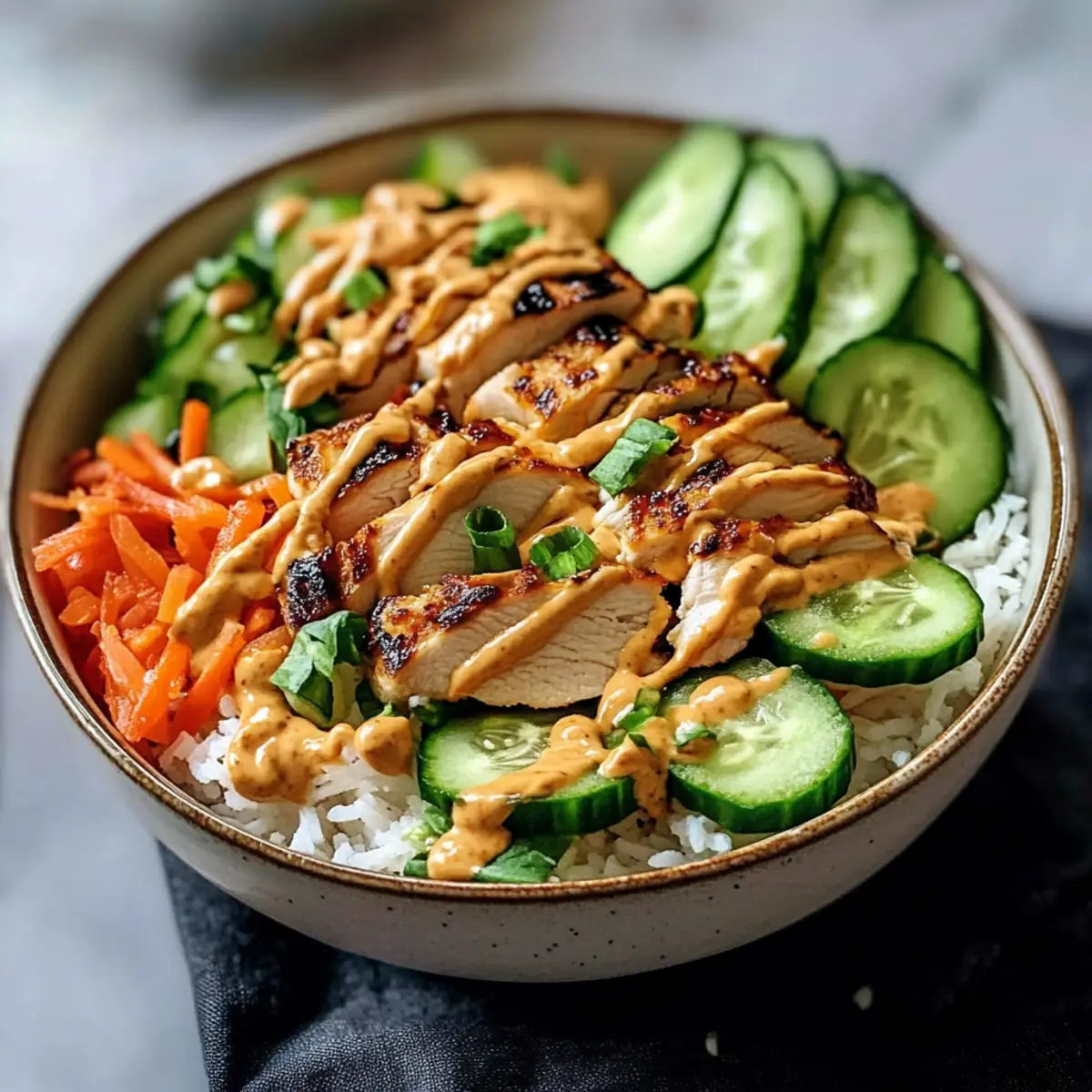
- Assemble the bowls by dividing the grains, chicken, and vegetables artistically.
- Drizzle the peanut sauce over each bowl and finish with green onions and sesame seeds.
- Serve immediately for the best flavor and texture.
Leave a Reply