
The comforting aroma of simmering broth wrapped around me like a warm hug as I prepared to whip up one of my favorite dishes—Greek Healing Soup. This vibrant mix of tender chickpeas, crisp carrots, zucchini, and leafy greens is not just a meal; it’s a nourishing embrace that your body will thank you for. Packed with immune-boosting ingredients and incredibly easy to make, this vegetarian soup is a perfect companion for a quick yet wholesome lunch or dinner. With just 15 minutes of prep time and around 35 minutes to cook, you’ll have a deliciously healthy dish in no time, all for only 140 calories per serving. Curious to find out how to create this delightful bowl of comfort? Let’s dive into the recipe!
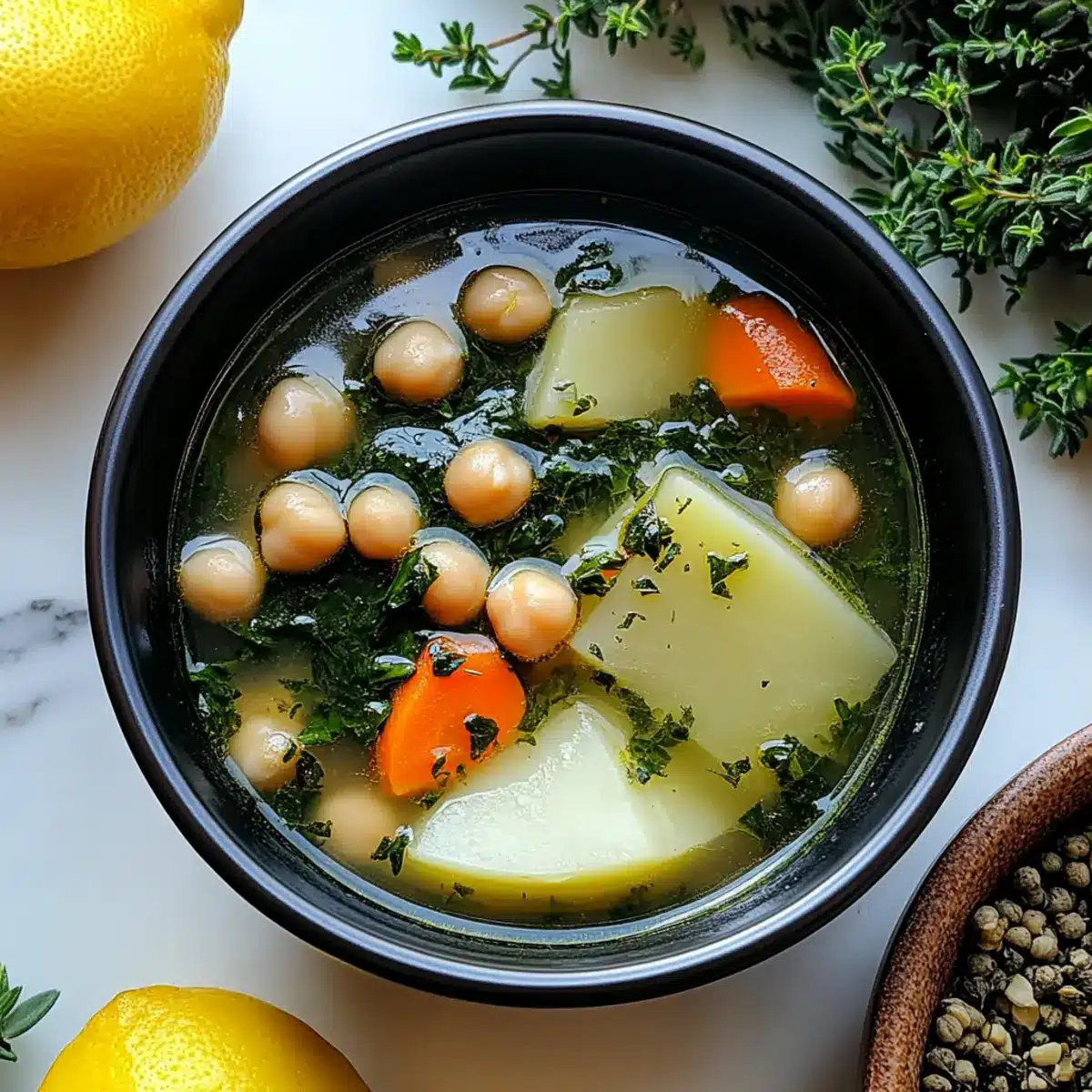
Why is Greek Healing Soup so special?
Nourishing, immune-boosting ingredients: Packed with chickpeas, kale, and vibrant veggies, this soup is a powerhouse for your health.
Quick prep: At just 15 minutes of prep and 35 minutes of cooking, this recipe fits easily into your busy schedule.
Flavorful and aromatic: Each bowl is filled with a delightful mix of herbs and a zesty lemon finish that brightens your palate.
Versatile: Feel free to swap ingredients based on what you have on hand—substitute other greens or add different beans to suit your taste.
Low-calorie comfort: Savor a satisfying meal at only 140 calories per serving, perfect for guilt-free indulgence.
Serving this up with a slice of crusty bread or a side of Greek Yogurt Bagels elevates it to a complete meal that will have everyone coming back for more!
Greek Healing Soup Ingredients
• Discover the vital components for creating a nourishing masterpiece!
For the Base
- Olive Oil – Adds fat for cooking and flavor; substitute with avocado oil if desired.
- Onion – The base flavor; chopped onion lends sweetness and depth to your soup.
- Garlic – Acts as the aromatic backbone; you can use garlic powder if fresh isn’t available.
For the Vegetables
- Carrots – Provide natural sweetness and texture; parsnips can be a delicious substitute.
- Celery – Adds a delightful crunch and flavor; feel free to omit if you don’t have any on hand.
- Potato – Contributes heartiness and creaminess; choose any starchy potato you prefer.
- Zucchini – Provides a soft texture; yellow squash can be swapped in for a different twist.
For the Protein and Flavor
- Chickpeas – A great source of protein and substance; opt for canned for convenience or cooked dried for added flavor.
- Vegetable Broth – Imparts richness and body; chicken broth can be used for a deeper flavor.
- Dried Oregano – Offers an earthy herb flavor; feel free to use Italian seasoning as a substitute.
- Dried Thyme – Adds a floral note; fresh thyme works beautifully too—just adjust the amount.
- Ground Cumin – Introduces warmth and earthiness; exclude if you prefer a milder taste.
For Seasoning and Finishing Touches
- Salt and Pepper – Essential for seasoning; adjust to taste for the best flavor experience.
- Kale or Spinach – Provides color and nutrients; other leafy greens can easily take their place.
- Lemon Juice – Brightens and enhances flavor; an essential finishing touch for freshness.
- Fresh Parsley – A wonderful garnish that adds color and vibrancy; optional but highly recommended.
Now that you have the essentials for your Greek Healing Soup, let’s get cooking! Your taste buds are in for a cozy, nourishing treat!
Step‑by‑Step Instructions for Greek Healing Soup
Step 1: Sauté the Aromatics
Heat a drizzle of olive oil in a large pot over medium heat until shimmering, about 2-3 minutes. Add the finely chopped onion and sauté for 5 minutes until it becomes translucent and fragrant. This ensures a savory base for your Greek Healing Soup, which will set the stage for all the delicious flavors to come.
Step 2: Add Garlic to the Mix
Next, toss in the minced garlic and stir for about 1 minute until it becomes fragrant, taking care not to let it burn. The aroma will fill your kitchen and make your mouth water in anticipation! This step enhances the depth of flavor in your soup, making it truly comforting.
Step 3: Incorporate the Vegetables
Stir in the diced carrots and celery into the pot and cook for 5 minutes, stirring occasionally until they soften slightly. You’ll want the carrots to become tender yet still hold their shape, adding a delightful texture to your Greek Healing Soup.
Step 4: Build the Soup’s Heartiness
Now, mix in the diced potato and zucchini, cooking for another 5 minutes. You’ll notice the vegetables starting to blend beautifully; keep stirring until the zucchini begins to soften. This step adds heartiness that makes your soup satisfying and nourishing.
Step 5: Add the Broth and Chickpeas
Pour in the vegetable broth and stir in the chickpeas, along with dried oregano, thyme, cumin, salt, and pepper. Bring the mixture to a rolling boil, then reduce the heat to a gentle simmer. Allow the Greek Healing Soup to simmer uncovered for about 20 minutes, until all the vegetables are tender and flavorful.
Step 6: Add Greens for Nutrients
In the final few minutes of cooking, add the chopped kale or spinach to the pot, stirring until wilted. This should take just 2-3 minutes, ensuring your greens maintain their vibrant color and nutrients. Your Greek Healing Soup is coming together beautifully!
Step 7: Brighten with Lemon Juice
Remove the pot from heat and stir in freshly squeezed lemon juice. This crucial step enhances the overall flavor profile of your soup, adding a delightful brightness to every spoonful. Adjust the seasoning with additional salt and pepper to taste, if needed.
Step 8: Garnish and Serve
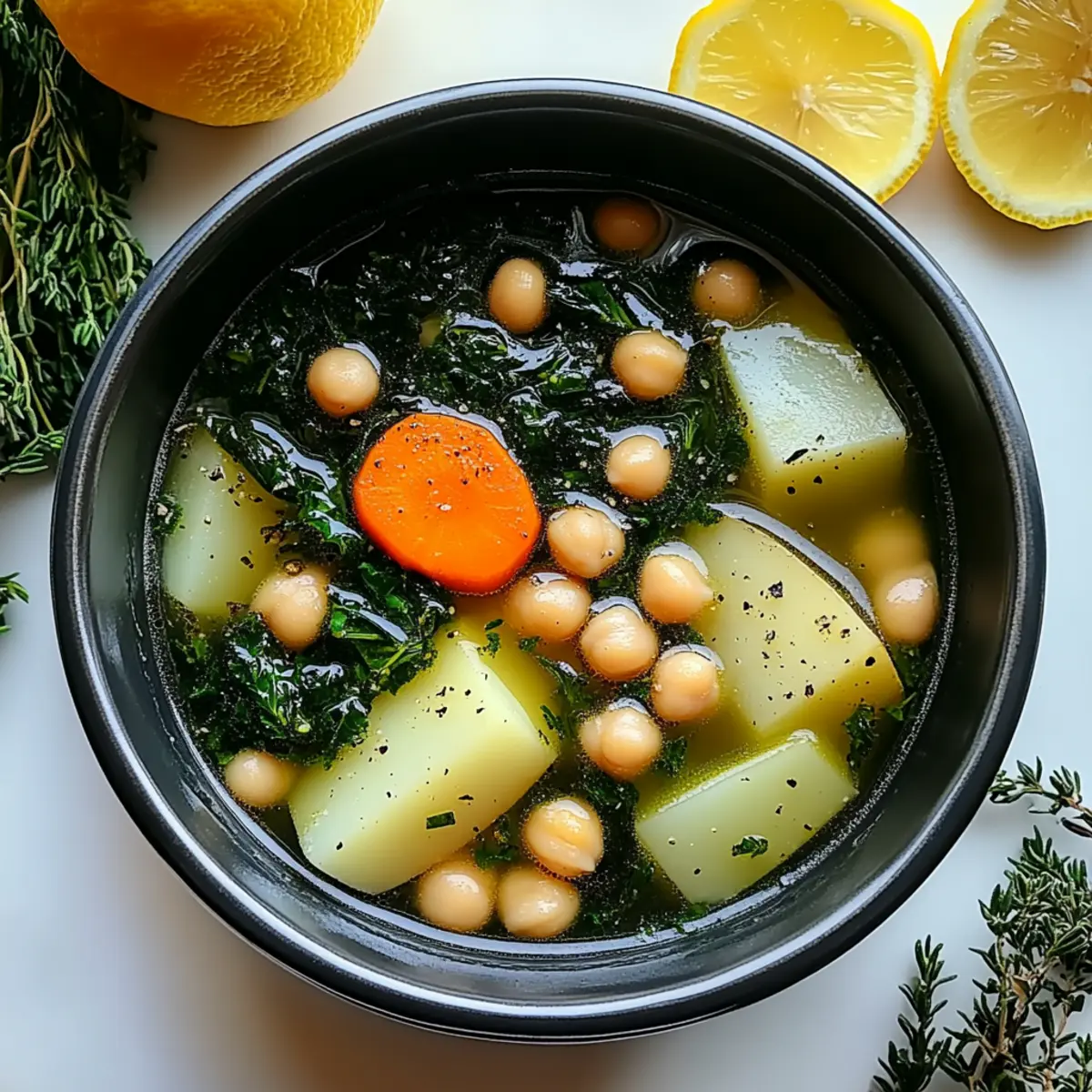
Ladle the warm Greek Healing Soup into bowls and garnish with a sprinkle of fresh parsley for an added touch of color. This final flourish will elevate your dish, making it both visually appealing and irresistibly inviting. Enjoy your nourishing bowl of Greek Healing Soup, perfect for any meal!
Make Ahead Options
These Greek Healing Soup preparations make it an excellent choice for meal prep enthusiasts! You can chop vegetables like carrots, celery, and zucchini up to 24 hours in advance and store them in an airtight container in the refrigerator to prevent browning. Additionally, cook the chickpeas if using dried ones so they’re ready to go. When you are ready to enjoy your comforting soup, simply sauté the aromatics, add the prepped veggies and broth, and simmer for 20 minutes. Stir in the kale or spinach in the last few minutes of cooking and finish with lemon juice for that fresh kick. This way, you’ll savor the same delightful flavors with minimal effort during your busy weeknights!
How to Store and Freeze Greek Healing Soup
Fridge: Store leftovers in an airtight container in the fridge for up to 4-5 days. Reheat gently on the stove or in the microwave, adding a splash of broth if needed.
Freezer: Freeze Greek Healing Soup in airtight containers for up to 3 months. Label the containers with dates for easy meal planning.
Thawing: To enjoy frozen soup, thaw it in the fridge overnight before reheating. Warm it slowly on the stove, stirring occasionally until heated through.
Portioning: For convenience, consider freezing individual portions. This way, you can easily grab a serving whenever you need a nutritious meal!
What to Serve with Greek Healing Soup
The perfect pairings can elevate your cozy bowl of nourishment into a delightful and memorable meal experience.
-
Crusty Bread: This warm, rustic bread is perfect for dipping, absorbing the savory broth and enhancing the comforting vibe of your soup.
-
Green Salad: A light, refreshing salad with mixed greens and a lemon vinaigrette provides a crunchy contrast to the velvety soup.
-
Feta Cheese Crumbles: Adding a sprinkle of tangy feta cheese brightens the dish, complementing the Mediterranean flavors of the soup beautifully.
-
Garlic Toast: The buttery crunch of garlic toast offers a delightful texture, making each bite a perfect blend of warmth and flavor.
-
Roasted Vegetables: Sweet, caramelized veggies on the side bring an additional layer of heartiness and flavor that pairs wonderfully with the soup.
-
Herbed Couscous: A fluffy and fragrant side of herbed couscous absorbs the zestiness of the soup while adding a satisfying chew and extra nutrients.
-
Sparkling Water with Lemon: A glass of refreshing sparkling water with a twist of lemon cleanses the palate, refreshing your senses between bites of that hearty Greek Healing Soup.
Enjoy these pairings to create a full, wholesome meal experience that nourishes both body and soul!
Greek Healing Soup Variations & Substitutions
Customize this delightful Greek Healing Soup to suit your taste and pantry staples—you’ll love the delicious possibilities!
-
Leafy Greens: Substitute kale with Swiss chard or mustard greens for a different nutrient boost and flavor profile. Each option brings its unique texture—experiment and find your favorite!
-
Beans: Add a twist with kidney or black beans instead of chickpeas for extra protein. This will enrich the soup’s texture and bring a delightful change to each spoonful.
-
Spices: Elevate the flavor with a pinch of red pepper flakes for a subtle kick or incorporate fresh herbs like basil or dill for a refreshing herbal note. Consider the aroma that’ll dance through your kitchen!
-
Vegetable Medley: Swap out carrots and zucchini for seasonal veggies like butternut squash or bell peppers. You might discover new flavor combinations that become your family’s favorites!
-
Broth Base: For an even heartier taste, use chicken broth instead of vegetable broth. The richness will heighten the overall depth of flavor in this cozy soup.
-
Potatoes: Opt for sweet potatoes instead of regular potatoes for added sweetness and nutrition along with a beautiful color contrast.
-
Cooking Method: For richer flavor, try preparing this soup in a slow cooker. Letting the ingredients mingle over several hours creates a comforting depth you’ll cherish.
-
Add Grains: For a more filling soup, consider tossing in quinoa or farro during the last 10 minutes of cooking. This not only thickens the soup but also adds chewiness you’ll enjoy.
No matter which variations you choose, each bowl of Greek Healing Soup will not only warm your body but soothe your soul. Serve alongside a fresh green salad or a warm slice of crusty bread for an even heartier meal! You might also adore pairing it with my French Onion Soup for a delightful weeknight dinner!
Expert Tips for Greek Healing Soup
-
Sauté Carefully: Be mindful not to burn the garlic when sautéing, as it can introduce bitterness to your Greek Healing Soup.
-
Season to Taste: Adjust the seasoning with salt and lemon juice after cooking for a well-balanced flavor that really shines through.
-
Freeze for Later: If you have leftovers, freeze them in airtight containers for up to 3 months. Thaw and reheat gently with a splash of broth.
-
Add Hearty Grains: To make your soup even heartier, consider adding quinoa or other grains about 10 minutes before it’s done cooking.
-
Vegetable Variations: Don’t hesitate to swap in different greens or beans based on what you have on hand; it keeps the soup exciting and versatile!
-
Garnish for Freshness: A sprinkle of fresh parsley not only adds a vibrant touch but enhances the nutritional value of your Greek Healing Soup.
Greek Healing Soup Recipe FAQs
How do I choose the best vegetables for my Greek Healing Soup?
Absolutely! For the best flavor and texture, use fresh, vibrant vegetables. Look for firm carrots without dark spots, zucchini that feels slightly heavy for its size, and greens that are bright and crisp. If you’re using canned chickpeas, ensure they’re within their expiration date and rinsed well to remove excess sodium.
How should I store leftovers of Greek Healing Soup?
You can refrigerate leftovers in airtight containers for up to 4-5 days. To reheat, simply warm it on the stove over medium-low heat, adding a splash of broth if needed to restore moisture. This way, you’ll enjoy a delicious bowl just like the first day!
Can I freeze Greek Healing Soup for later use?
Very! To freeze, let the soup cool completely before transferring it to airtight containers. It can be frozen for up to 3 months. When you’re ready to enjoy it, thaw the soup overnight in the fridge, then reheat gently on the stove with a bit of broth to help it regain its creamy texture.
What should I do if the soup turns out too salty?
If your Greek Healing Soup is too salty, don’t fret! You can balance the flavors by adding a peeled, chopped potato to the pot as it simmers. Let it cook for about 10-15 minutes, then remove the potato. It will absorb some of the saltiness, resulting in a more balanced flavor.
Is this soup safe for people with dietary restrictions?
Yes, but it’s important to adjust based on any allergies or dietary preferences! For those allergic to legumes, avoid chickpeas and consider using lentils instead. The soup is vegetarian and can easily be made vegan by ensuring your broth is plant-based. Always double-check your seasonings for potential allergens before adding them.
What can I serve with Greek Healing Soup for a complete meal?
Enhancing your meal is a breeze! Pair the Greek Healing Soup with a slice of crusty bread, a fresh green salad, or perhaps my favorite Greek Yogurt Bagels. This rounded meal not only satisfies but can make your dining experience even more delightful!
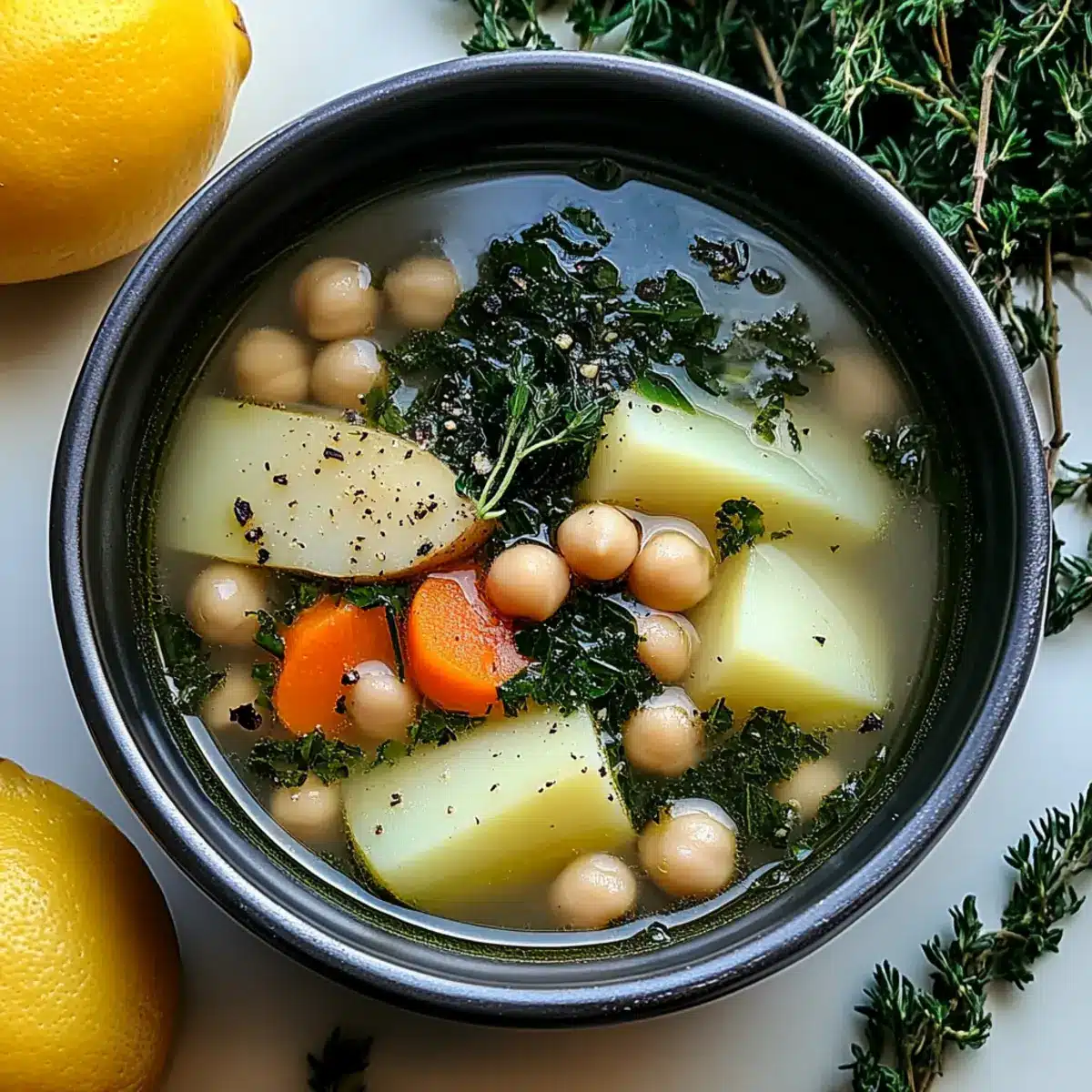
Revitalize Your Day with Greek Healing Soup Magic
Ingredients
Equipment
Method
- Heat olive oil in a large pot over medium heat until shimmering, about 2-3 minutes. Add chopped onion and sauté for 5 minutes until translucent.
- Add minced garlic and stir for about 1 minute until fragrant, taking care not to burn it.
- Stir in diced carrots and celery and cook for 5 minutes until softened slightly.
- Mix in diced potato and zucchini, cooking for another 5 minutes until vegetables begin to blend.
- Pour in vegetable broth and stir in chickpeas, oregano, thyme, cumin, salt, and pepper. Bring to a boil, then simmer uncovered for about 20 minutes.
- In the final minutes, add chopped kale or spinach, stirring until wilted, about 2-3 minutes.
- Remove from heat and stir in lemon juice. Adjust seasoning with salt and pepper if needed.
- Ladle soup into bowls and garnish with fresh parsley before serving.
Leave a Reply