
As I stirred the bubbling pot of Persian Noodle Soup, its enchanting aroma of sautéed onions and earthy turmeric wrapped around me like a comforting embrace. This enchanting dish, known as Ash Reshteh, is a vibrant tapestry woven with hearty legumes, fresh herbs, and thick noodles, making it the perfect remedy for those chilly evenings or when you just need a nourishing boost. What’s even better? It’s vegan and incredibly easy to whip up in just one pot! With a medley of textures and flavors, this satisfying soup is sure to become a staple in your meal prep rotation, effortlessly feeding your family and friends while inviting them to gather and share their own stories. Are you ready to dive into a bowl of warmth and comfort? Let’s discover the magic of making this delightful Persian classic together!
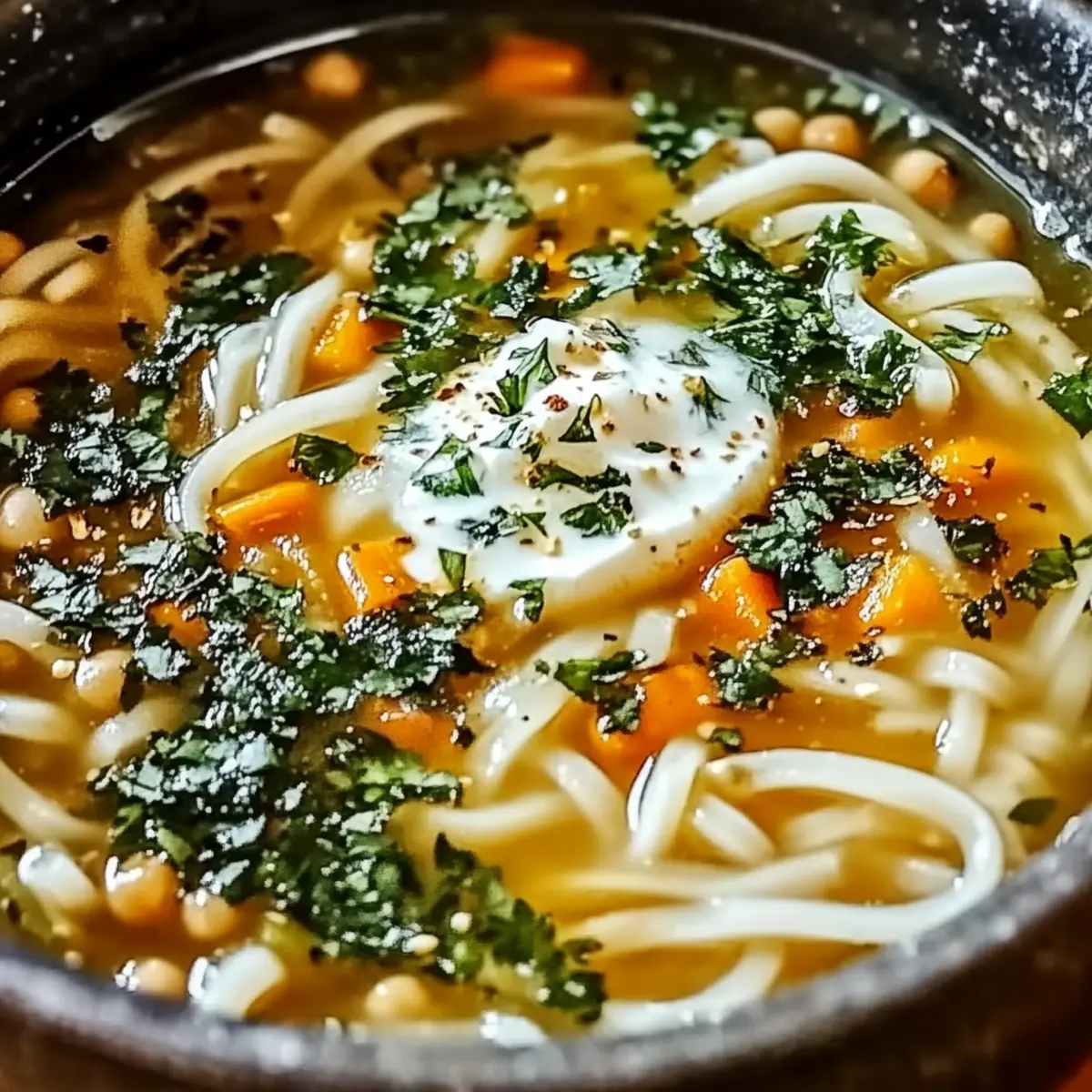
Why is Persian Noodle Soup special?
Comforting warmth: Each bowl of this hearty Persian Noodle Soup envelops you in rich flavors, making it the ultimate cozy dish for any occasion.
Nutritious ingredients: Packed with protein-rich legumes and fresh herbs, this vegan delight nourishes both body and soul.
Easy one-pot prep: With just a single pot involved, clean-up is a breeze, making it ideal for busy weeknights.
Versatile options: Customize your soup with different legumes or spices, ensuring every pot is uniquely yours. If you’re looking for more hearty recipes like this, check out our French Onion Soup.
Crowd-pleaser appeal: Serve this dish at gatherings, and everyone will ask for seconds, proving its popularity among family and friends!
Persian Noodle Soup Ingredients
• Discover the essential elements for a rich bowl!
For the Legumes
- Lentils – provide protein and a hearty texture; chickpeas or black beans can be great substitutes.
- Beans – add variety and richness; consider kidney or pinto beans if you prefer.
For the Noodles
- Reshteh or flat noodles – add substance to the soup, or substitute with rice or gluten-free noodles as needed.
For the Fresh Herbs
- Parsley – infuses your soup with vibrant flavor; fresh dill or mint could also work beautifully.
- Cilantro – adds a refreshing zing; if you’re not a fan, try more parsley instead.
- Green onions – provide a mild onion flavor and lovely garnish options.
For the Base
- Onion – creates the soup’s foundational sweetness when sautéed; shallots can give you a lighter taste.
- Garlic – deepens the flavor profile; feel free to adjust according to your taste.
- Turmeric – adds earthy flavor and a cheerful hue; replace with saffron if you want that premium touch.
For the Broth
- Vegetable broth – builds the soup’s heartiness and umami; homemade broth is highly recommended for an extra depth of flavor.
For the Garnish
- Yogurt or sour cream – brings a tangy finish to your soup; swap for vegan yogurt or simply omit for a dairy-free version.
Step‑by‑Step Instructions for Persian Noodle Soup
Step 1: Sauté onions
Heat a large pot over medium heat and add a splash of oil. Once hot, add the chopped onions and sauté for about 5–7 minutes until they become translucent and slightly golden. Stir occasionally to ensure even cooking, releasing their natural sweetness. This fragrant base is essential for your Persian Noodle Soup.
Step 2: Add garlic and turmeric
Stir in the minced garlic and turmeric into the pot, cooking for an additional 1 minute. As they sauté together, the mixture will become aromatic, making your kitchen smell inviting. This step enhances the flavor profile of your Persian Noodle Soup, creating a rich and warm foundation for the rest of the dish.
Step 3: Incorporate legumes and noodles
Add your choice of legumes and the noodles to the pot, ensuring they are evenly distributed. Next, pour in 6 cups of vegetable broth, stirring well to combine all ingredients. Bring the mixture to a rolling boil over high heat, which will kickstart the cooking process for the legumes and noodles, combining their flavors beautifully.
Step 4: Simmer the soup
Once boiling, reduce the heat to low and cover the pot. Let the soup gently simmer for about 30 minutes, stirring occasionally. The legumes should become tender, and the noodles will cook through, infusing your Persian Noodle Soup with hearty flavors. Keep an eye on the texture to ensure the noodles don’t overcook.
Step 5: Stir in fresh herbs
After 30 minutes, fold in the fresh herbs of your choice, like parsley and cilantro. Taste the soup and adjust seasoning if needed, adding salt and pepper for balance. The addition of herbs infuses a burst of freshness, elevating your Persian Noodle Soup to a delightful aromatic experience.
Step 6: Serve and garnish
Once the soup is fully cooked and flavors melded, ladle it into warm bowls. Garnish generously with yogurt or sour cream if desired, adding a creamy finish to the dish. Your comforting Persian Noodle Soup is now ready to be served, inviting warmth and joy with each hearty spoonful.
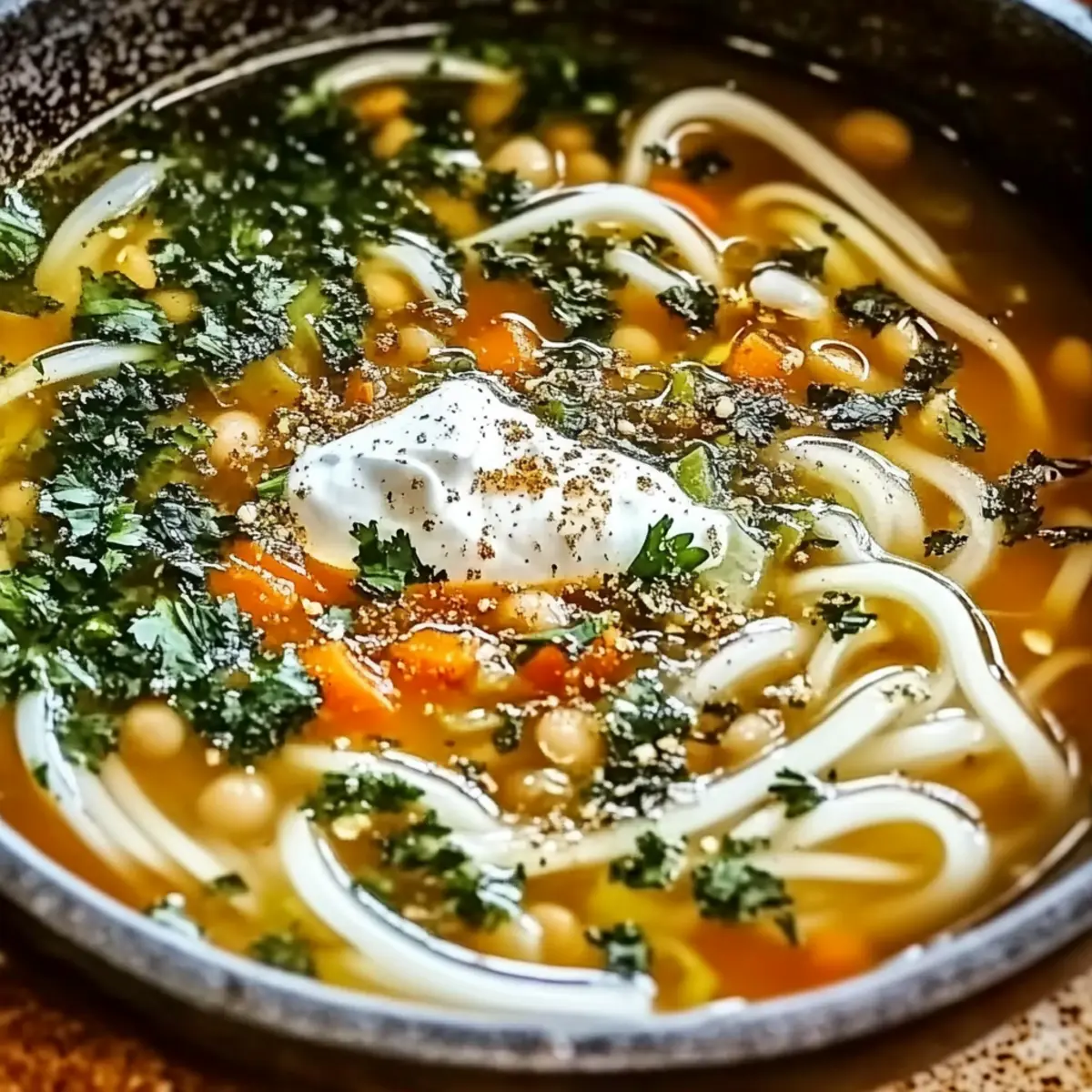
What to Serve with Vegan Persian Noodle Soup
A satisfying bowl of warmth and flavor awaits you, perfect for creating a delightful mealtime experience.
- Crusty Bread: Slices of fresh bread perfect for dipping, bringing a crunchy contrast to the soup’s creamy texture.
- Fresh Garden Salad: A crisp salad with mixed greens, tomatoes, and a tangy vinaigrette adds a refreshing element alongside the warmth of the soup.
- Roasted Vegetables: Caramelized veggies like carrots and bell peppers enhance the meal with their natural sweetness, complementing the earthy flavors of the soup.
- Herb Quinoa: Fluffy quinoa with fresh herbs makes a nutritious side that boosts protein content and adds a lovely nutty flavor to your meal.
- Pickled Vegetables: The sharpness of pickled radishes or cucumbers brightens up every spoonful, offering a zesty counterpart to the dense soup.
- Mint Tea: A warm cup of soothing mint tea not only aids digestion but also refreshes the palate between bites, creating a well-rounded dining experience.
- Vegan Yogurt Dip: Serve a yogurt dip on the side with garlic and herbs, allowing for a creamy, tangy addition that elevates each bowl of soup.
- Spicy Chickpea Fritters: Crispy fritters bring a delightful crunch and protein-packed punch, making them an exciting addition to your comforting meal.
How to Store and Freeze Persian Noodle Soup
Fridge: Store your Persian Noodle Soup in an airtight container for up to 3 days. Make sure to cool the soup completely before sealing it to maintain freshness.
Freezer: Portion the soup into freezer-safe containers, allowing a little space at the top for expansion. It can be frozen for up to a month, preserving its hearty flavor and texture.
Reheating: To reheat, gently warm the soup on the stove over low heat. Add a splash of vegetable broth if needed to restore its creamy consistency. Stir occasionally to ensure even heating.
Meal Prep Tip: Consider prepping individual portions ahead of time. This makes it easy to enjoy your comforting Persian Noodle Soup anytime you crave a quick, nutritious meal!
Expert Tips for Perfect Persian Noodle Soup
• Flavor Enhancement: Sauté herbs with onions and garlic to enrich the overall flavor profile, as they release their essential oils during cooking.
• Noodle Texture: Be careful not to overcook the noodles. Aim for al dente to avoid a mushy texture in your Persian Noodle Soup.
• Meal Prep Friendly: Chop and store ingredients separately to save time during the week. This way, you can easily whip up your soup on busy evenings.
• Legume Freshness: Ensure your legumes are fresh and free from spoilage signs, like dark spots or odors, which can affect the soup’s taste.
• Spice Variations: Add crushed red pepper or a splash of lemon juice just before serving to introduce a delightful zing to your soup.
Variations & Substitutions for Persian Noodle Soup
Feel free to explore the delightful options below to customize your Persian Noodle Soup and make it uniquely yours!
- Dairy-Free: Substitute regular yogurt or sour cream with plant-based yogurt for a creamy, vegan-friendly finish.
- Spicy Kick: Add a sprinkle of crushed red pepper or a dash of cayenne for an extra layer of heat that warms the soul.
- Herb Twists: Use fresh dill or mint in place of the standard herbs for a refreshing, aromatic twist that sets your soup apart.
- Vegetable Boost: Incorporate seasonal vegetables like spinach or kale to enhance both nutrition and flavor, transforming your soup into a vibrant feast.
- Noodle Alternatives: Swap the reshteh noodles for gluten-free noodles or even zucchini noodles for a lighter, low-carb option.
- Flavor Up: For a more intense flavor, simmer the soup with fresh lemon slices or a splash of lemon juice just before serving. This adds a zesty brightness that complements the earthiness.
- Legume Variations: Mix different legumes like black beans or split peas to create a unique taste and texture experience. Each type brings something delicious to the pot!
Adapt your dish however you please, and give your loved ones the chance to indulge in your beautiful creation. If you’re looking for more comfort food inspiration, be sure to check out our Creamy Tortellini Soup or our French Onion Soup. Happy cooking!
Make Ahead Options
Prepare ahead with this hearty Persian Noodle Soup, making meal prep effortless and efficient! You can chop the onions and garlic and store them in an airtight container in the fridge for up to 3 days, ensuring their freshness. Additionally, cook the legumes and noodles separately, refrigerating them for up to 24 hours before combining them with the broth. When you’re ready to serve, simply heat the broth, stir in the prepared ingredients, and fold in the fresh herbs. This approach not only saves time but also maintains the soup’s vibrant flavors, allowing you to enjoy a nourishing bowl on busy weeknights with minimal effort.
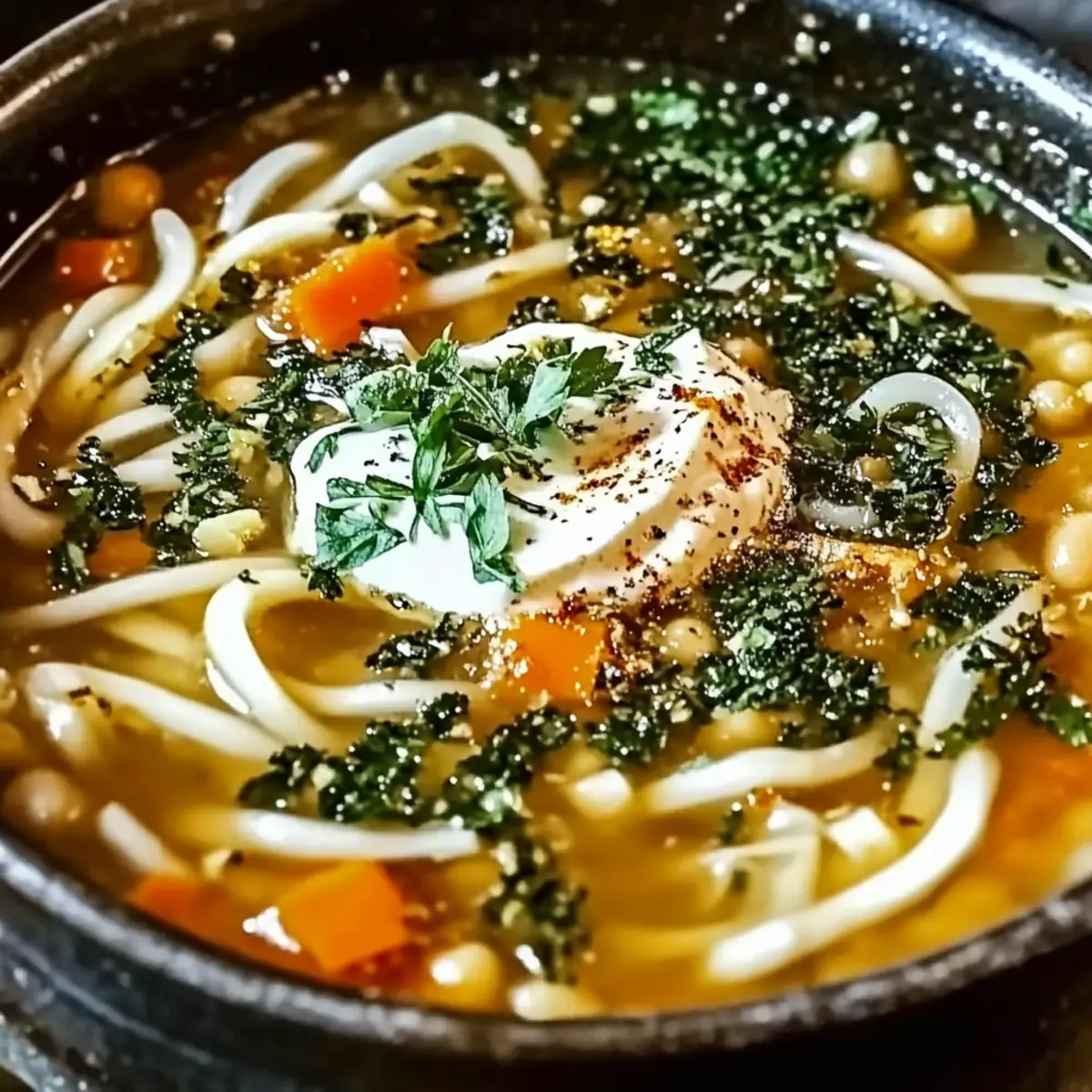
Persian Noodle Soup Recipe FAQs
What kind of legumes are best to use in Persian Noodle Soup?
I recommend using lentils for their hearty texture, but you can also substitute chickpeas or black beans if you prefer. Just be sure to adjust cooking times as necessary: lentils typically cook in about 30 minutes, while canned chickpeas only need to be heated through.
How should I store leftover Persian Noodle Soup?
Store your Persian Noodle Soup in an airtight container in the fridge for up to 3 days. It’s best to let the soup cool completely before sealing it, as this helps maintain its freshness and flavor.
Can I freeze Persian Noodle Soup?
Absolutely! Portion the soup into freezer-safe containers, leaving a little room at the top for expansion. It can be frozen for up to a month. When you’re ready to enjoy it, thaw it overnight in the fridge and reheat gently on the stove, adding a splash of vegetable broth to revive its creamy consistency.
What if my noodles become mushy in the soup?
To avoid mushy noodles, make sure to cook them al dente. If you notice they’re starting to fall apart while simmering, reduce the heat and stir more frequently. If you’ve overcooked them, you can always add some extra broth and fresh herbs to refresh the dish!
Are there any dietary considerations for Persian Noodle Soup?
This soup is vegan-friendly, making it suitable for various dietary needs. Always check the ingredients if serving to anyone with allergies, particularly in the broth or yogurt you choose for garnish. For gluten-free diets, opt for gluten-free noodles or rice as a substitute.
Can I customize the fresh herbs used in the soup?
Very much! You can use a mix of parsley, cilantro, or even dill and mint for alternate flavors. Fresh herbs should be added towards the end of cooking to preserve their vibrant taste. Feel free to experiment with your favorites!
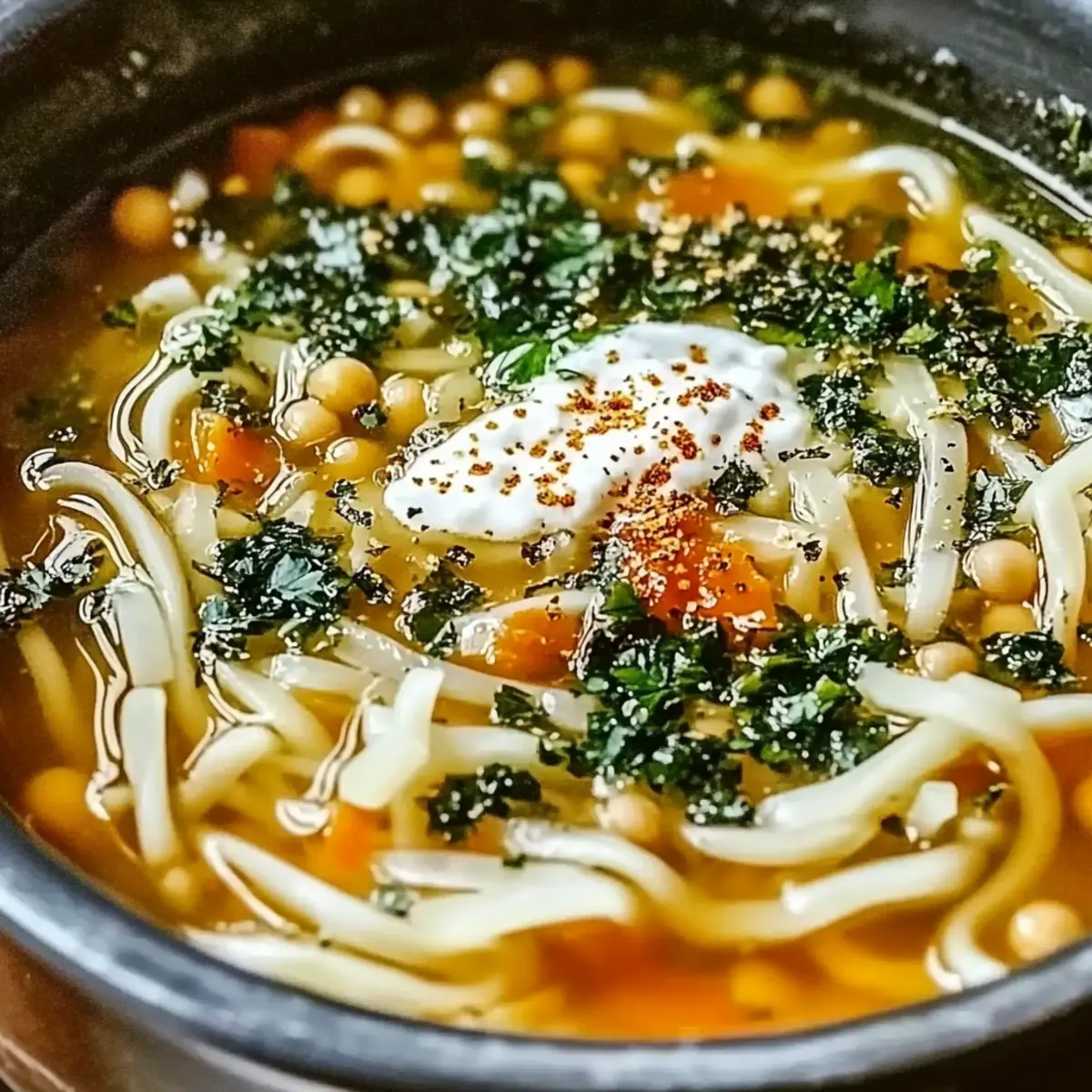
Hearty Persian Noodle Soup: A Cozy Vegan Delight
Ingredients
Equipment
Method
- Sauté onions in a large pot over medium heat with a splash of oil for 5-7 minutes until translucent.
- Add minced garlic and turmeric, cooking for an additional minute until aromatic.
- Incorporate legumes and noodles, then pour in 6 cups of vegetable broth and bring to a boil.
- Once boiling, reduce heat to low, cover, and simmer for 30 minutes, stirring occasionally.
- Fold in fresh herbs, adjust seasoning, and let the flavors meld.
- Ladle into warm bowls and garnish with yogurt or sour cream if desired.
Leave a Reply