
As the vibrant colors of summer vegetables flood the market, I can’t resist the allure of a simple, yet transformative dish: Healthy Sautéed Vegetables. This recipe not only celebrates the fresh, natural sweetness of seasonal produce but also promises quick prep—perfect for busy weeknights or meal prep sessions. With just a skillet, a drizzle of olive oil, and your favorite veggies, you can create a delightful side that pairs beautifully with any main course, all while packing a nutritious punch. So, whether you’re looking to brighten up a dull dinner or add a splash of color and health to your plate, these sautéed vegetables are a must-try. Ready to take your vegetable game to the next level? Let’s dive in!
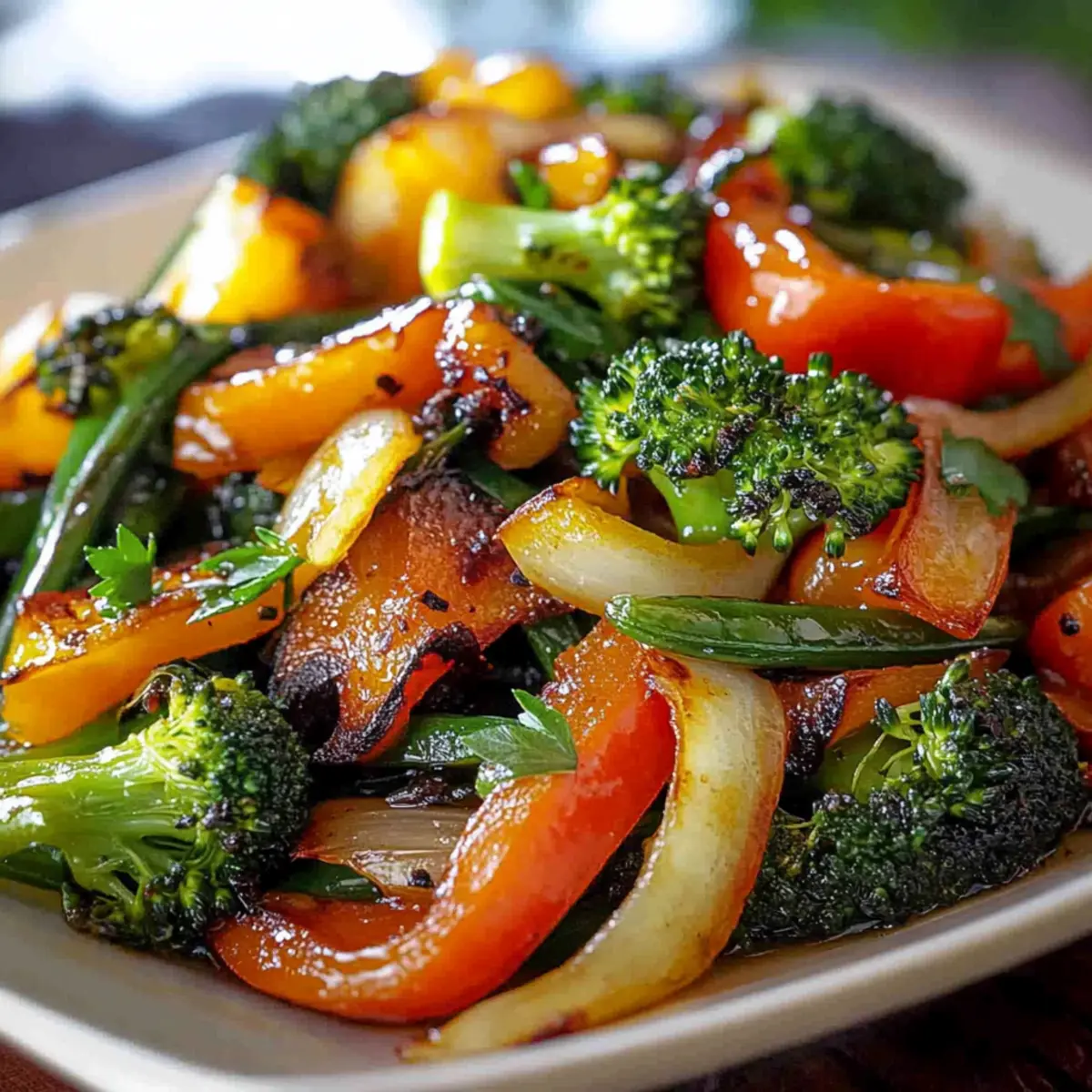
Why are sautéed vegetables so versatile?
Simplicity: This recipe is refreshingly easy to make, requiring just a few ingredients and minimal cooking skills—perfect for any home cook.
Vibrant Colors: A visually appealing mix of seasonal veggies brings life to your plate and makes every meal a celebration of fresh produce.
Health Boost: Packed with fiber, vitamins, and antioxidants, sautéed vegetables offer a nutritious side dish that supports a healthy lifestyle.
Quick & Easy: With a cooking time of around 10 minutes, it’s a fantastic option for busy weeknights when you need something nutritious in a flash.
Meal Prep Friendly: Chop veggies in advance, making this side dish a convenient addition to your meal prep rotation—keep leftovers fresh for days! For a delicious pair, consider serving these colorful veggies alongside Healthy Chicken Salad for a complete, satisfying meal.
Healthy Sautéed Vegetables Ingredients
For the Base
- Olive Oil – A heart-healthy fat ideal for sautéing; consider avocado oil for a different flavor.
- Garlic – Adds aromatic depth; use whole cloves for a milder taste if preferred.
- Onion – Offers a sweet flavor base; shallots can be a milder alternative.
For the Veggies
- Bell Pepper – Brings vibrant color and sweetness; any variety works well.
- Zucchini – Delivers tenderness and a mild flavor; yellow squash is a great substitute.
- Broccoli – Adds crunch and essential nutrients; try green beans for a crunchy twist.
- Carrot – Contributes natural sweetness; slice thinly to ensure even cooking.
- Snap Peas – Offers a fresh, crisp bite; can be swapped for snow peas or omitted.
- Mushrooms – Infuses umami flavor; any variety like shiitake or cremini works beautifully.
Seasonings and Finishing Touches
- Salt and Black Pepper – Essential for enhancing the vegetable flavors; adjust to your palate.
- Lemon Juice (optional) – Brightens the dish’s profile; balsamic vinegar can be a nice alternative.
- Optional Toppings – Consider toasted nuts, fresh herbs, or grated Parmesan to enhance texture and flavor; these can elevate the experience of your healthy sautéed vegetables.
Step‑by‑Step Instructions for Healthy Sautéed Vegetables
Step 1: Prepare Vegetables
Start by washing all your vegetables under cool running water. Peel the carrot and onion if needed, then chop everything into uniform pieces; aim for bite-sized chunks to ensure even cooking. Keep your bell peppers, zucchini, and broccoli separate for a colorful presentation and easy sautéing later.
Step 2: Heat Oil
In a large skillet, pour 1-2 tablespoons of olive oil and heat it over medium-high heat. Allow the oil to shimmer for about 2 minutes—you’ll know it’s ready when it glistens but doesn’t smoke. This oil will create the perfect base for your Healthy Sautéed Vegetables.
Step 3: Cook Aromatics
Add minced garlic and sliced onion to the hot skillet. Sauté for 1-2 minutes, stirring frequently until the garlic is fragrant and the onion is translucent. Be careful not to let them brown too much, as you want a lovely aromatic flavor to infuse the oil before moving on to the veggies.
Step 4: Add Harder Vegetables
Introduce the chopped carrots and broccoli to the skillet first. Stir them well, letting them cook for about 3-4 minutes. This helps these firmer vegetables soften slightly while retaining their bright colors and crunchiness, setting a solid foundation for your Healthy Sautéed Vegetables.
Step 5: Add Softer Vegetables
Now, it’s time to add the bell peppers, zucchini, mushrooms, and snap peas into the skillet. Sauté these together for an additional 4-5 minutes, stirring occasionally. Aim for a crisp-tender texture, where the vegetables are cooked through but still vibrant and firm, adding to the overall color of your dish.
Step 6: Season and Finish
Sprinkle salt and black pepper over your Vegetable Sauté to taste, and if you’d like, drizzle a bit of lemon juice for brightness. Toss everything gently to combine, ensuring each piece is coated in flavors. Consider adding optional toppings like toasted nuts or fresh herbs for an extra layer of deliciousness before serving.
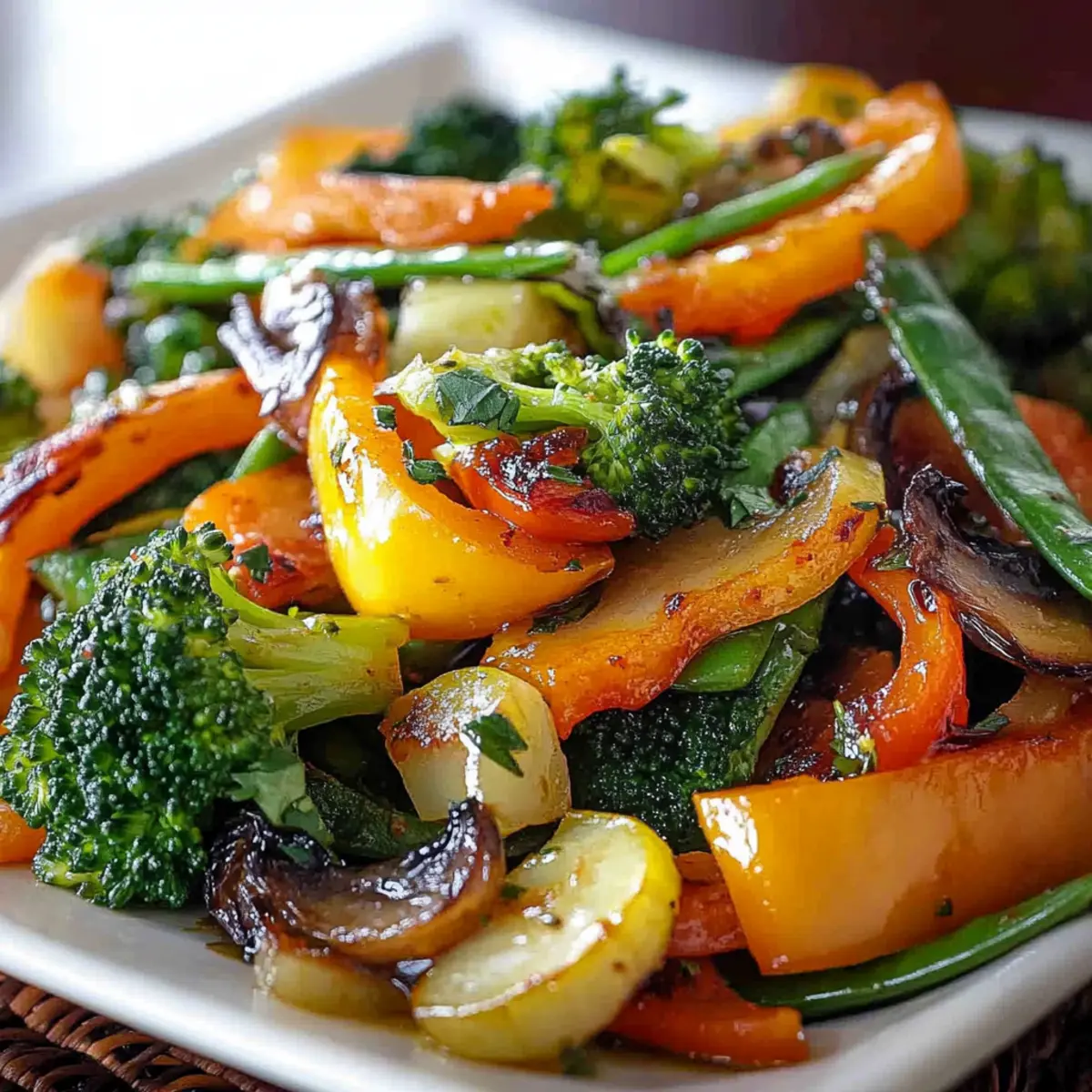
Make Ahead Options
These Healthy Sautéed Vegetables are a fantastic choice for meal prep, saving you precious time during busy weeknights! You can chop all your vegetables—like bell peppers, zucchini, and carrots—up to 24 hours in advance and store them in an airtight container in the refrigerator. For even better quality, keep more delicate vegetables, such as snap peas and mushrooms, added right before cooking. When you’re ready to enjoy, simply heat your skillet with olive oil, sauté the aromatics first, then add your prepped vegetables, and cook until they’re crisp-tender, ensuring that your delicious side dish is just as vibrant and fresh as if cooked from scratch!
What to Serve with Healthy Sautéed Vegetables
Elevate your dining experience with these delightful pairings that complement the flavors and textures of your sautéed creation.
-
Quinoa Pilaf: A nutty, fluffy base that absorbs the seasoned oils from the sautéed vegetables, adding heartiness to your meal. This combo creates a satisfying and nutritious foundation.
-
Lemon Herb Grilled Chicken: Juicy and infused with fresh flavors, this protein brings a mouthwatering contrast to the crisp-tender veggies while enhancing the brightness of the dish.
-
Garlic Bread: Crunchy on the outside and soft inside, its aromatic warmth perfectly balances the fresh tastes of sautéed vegetables, making every bite a comforting experience.
-
Pesto Pasta: Tossed with vibrant basil pesto, this dish brings creaminess and herbal notes that enhance the flavors of the sautéed vegetables, marrying the two seamlessly on your plate.
-
Caprese Salad: Fresh tomatoes, mozzarella, and basil create a light and refreshing side, offering a lovely contrast to the sautéed veggies while emphasizing seasonal produce.
-
Chickpea Salad: Protein-packed and zesty, this salad introduces creaminess and a satisfying crunch, complementing the earthy flavors of your sautéed mix beautifully.
-
Sparkling Apple Cider: The fizzy sweetness of this beverage provides a light, refreshing sip that pairs wonderfully with the depth of the sautéed vegetables.
-
Dark Chocolate Mousse: For dessert, this rich and creamy treat adds an indulgent finish to your meal, creating a delightful contrast to the fresh vegetables.
With these thoughtful pairings, your Healthy Sautéed Vegetables are set to shine as the centerpiece of an unforgettable meal!
How to Store and Freeze Healthy Sautéed Vegetables
Fridge: Store leftover healthy sautéed vegetables in an airtight container for up to 4 days. Reheat in a skillet over medium heat, adding a splash of water to restore moisture.
Freezer: For longer storage, freeze sautéed vegetables in a single layer on a baking sheet, then transfer to a freezer-safe bag for up to 3 months. Thaw overnight in the fridge before reheating.
Reheating: When reheating from the fridge or freezer, stir over medium heat until warmed through, ensuring they maintain their vibrant color and texture.
Meal Prep: Chop vegetables ahead of time and store them in the fridge for easy access during cooking. This speeds up your meal prep and keeps everything fresh for your healthy sautéed vegetables.
Tips for the Best Sautéed Vegetables
-
Keep it Colorful: Use a variety of vegetables in different colors to create a beautiful, appetizing dish. This not only enhances the visual appeal but also maximizes the nutrients in your healthy sautéed vegetables.
-
Don’t Overcrowd: When sautéing, it’s crucial not to overcrowd the pan. Cook in batches if necessary to allow for proper caramelization and avoid steaming the veggies, which can lead to a mushy texture.
-
Season Wisely: Start with a little salt and pepper, tasting as you go to adjust. You want to enhance the natural flavors of your sautéed vegetables without overpowering them.
-
Chop Evenly: For uniform cooking, ensure all vegetable pieces are cut to similar sizes. This way, they’ll cook evenly and you’ll have perfectly tender segments.
-
Experiment with Aromatics: Don’t hesitate to add herbs and spices, such as thyme or ginger, during cooking. These can elevate your dish and offer new dimensions of flavor!
Healthy Sautéed Vegetables Variations
Feel free to personalize your healthy sautéed vegetables, enhancing flavors and textures tailor-made for your taste!
-
Dairy-Free: Use vegetable broth instead of butter for a rich flavor while keeping it vegan.
-
Herb-Infused: Toss in fresh herbs like basil or thyme at the end of cooking for a fragrant touch. The aroma will add depth and uplift the dish beautifully.
-
Spicy Kick: Add a pinch of red pepper flakes or one diced jalapeño for a delightful heat. Spice levels elevate every bite, making this dish exciting.
-
Asian Twist: Incorporate soy sauce and ginger for an Asian-inspired flavor profile. Serve it over rice or quinoa for a comforting meal.
-
Protein Boost: Mix in cooked chicken, shrimp, or tofu for a satisfying one-pan meal. This nutrient boost complements the veggies perfectly, making it heartier.
-
Lemon Zest: A sprinkle of lemon zest right before serving intensifies the citrus notes, balancing the dish perfectly with fresh zing!
-
Nutty Crunch: Top with toasted almonds or walnuts for extra texture and healthy fats. You’ll love the satisfying crunch against the tender veggies!
For more delightful ideas, why not explore these links for your next meal inspiration? Check out Healthy Sautéed Vegetables or try adding them to a bowl with Healthy Chicken Salad for a complete dish!
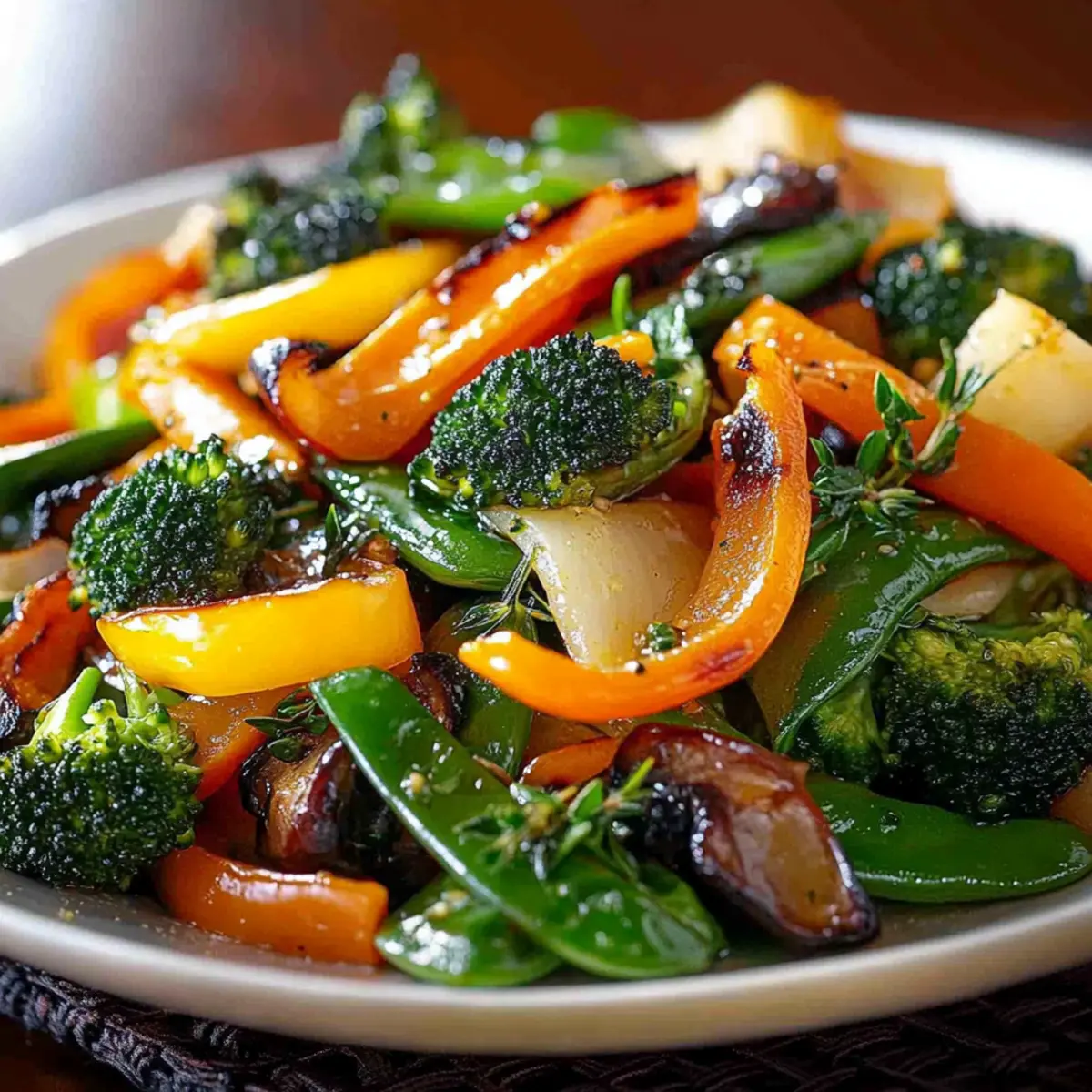
Healthy Sautéed Vegetables Recipe FAQs
What’s the best way to select ripe vegetables for sautéing?
Absolutely! When choosing vegetables for sautéing, look for vibrant colors and firm textures. Avoid any with dark spots or a wilted appearance. For example, zucchini should feel lightweight and smooth, while bell peppers should have a shiny skin. This ensures the freshest and most flavorful sautéed vegetables!
How should I store leftover sautéed vegetables?
To keep your healthy sautéed vegetables fresh, refrigerate them in an airtight container for up to 3-4 days. When you’re ready to enjoy them, simply reheat in a skillet over medium heat with a splash of water to revive their crisp-tender texture. This way, they remain colorful and flavorful!
Can I freeze sautéed vegetables, and if so, how?
Very! To freeze your healthy sautéed vegetables, first allow them to cool completely. Spread them out in a single layer on a baking sheet and freeze for about 1-2 hours until solid. Once frozen, transfer them to freezer-safe bags. They’ll stay good for up to 3 months! For best results, thaw overnight in the fridge before reheating.
What should I do if my sautéed vegetables turn out mushy?
The more the merrier! If your sautéed vegetables turn out mushy, it often means they were overcrowded in the pan, causing them to steam instead of sauté. To fix this, try sautéing in smaller batches next time. Ensure you allow enough space between pieces for even cooking and that your pan is preheated before adding the vegetables.
Are sautéed vegetables safe for my pets?
While many sautéed vegetables are healthy for humans, be cautious! Some vegetables like onions and garlic can be toxic to pets. If you’re sharing with your furry friends, stick to pet-safe options like carrots and green beans. Always consult with your veterinarian regarding your pet’s specific dietary needs.
Can I use frozen vegetables for sautéing?
Very! While fresh vegetables provide the best flavor and texture, you can absolutely use frozen ones for sautéing as well. Just ensure to thaw and pat them dry before sautéing to avoid excess moisture that can lead to steaming rather than sautéing. This way, you can still whip up delicious healthy sautéed vegetables anytime!
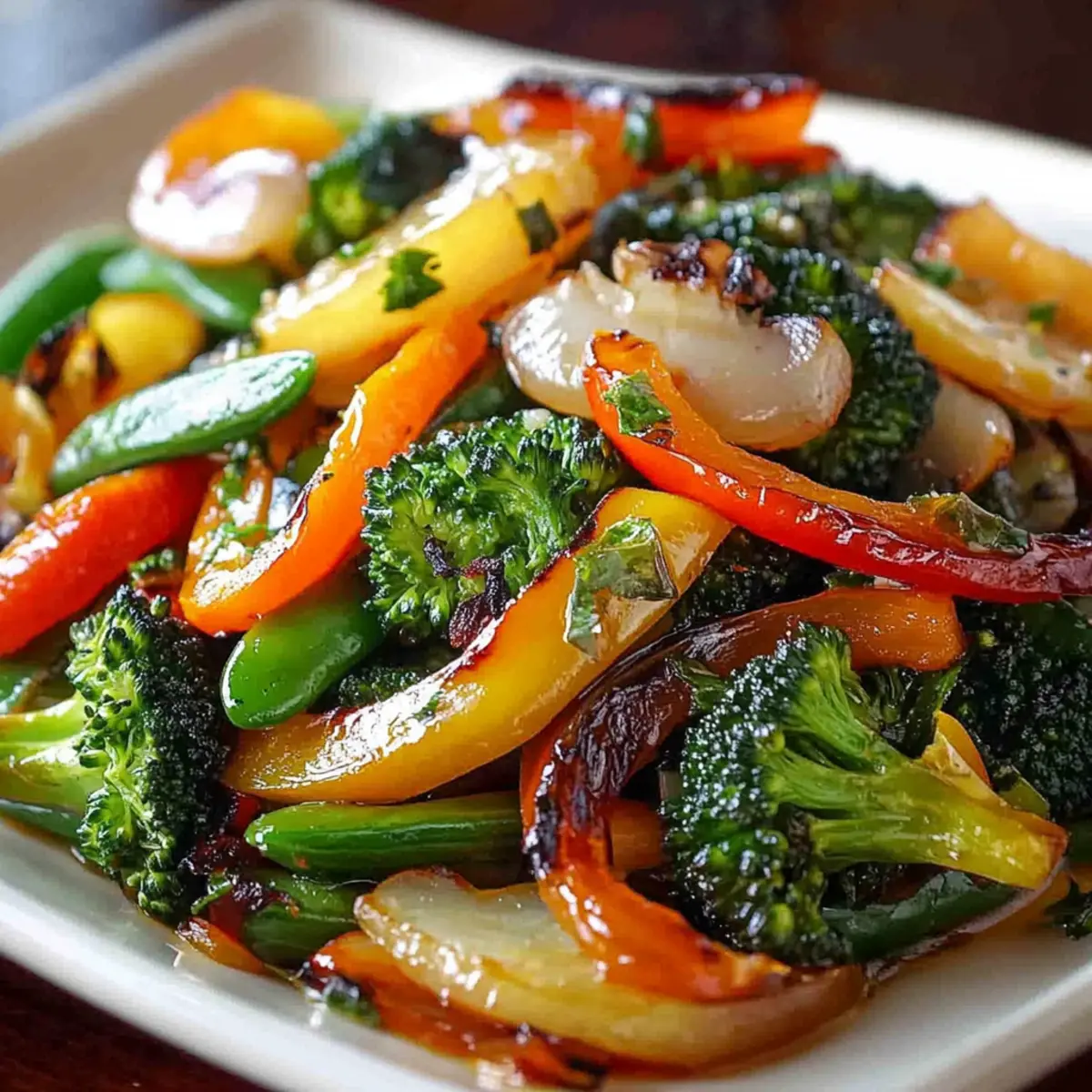
Healthy Sautéed Vegetables for a Colorful, Nutritious Meal
Ingredients
Equipment
Method
- Start by washing all your vegetables under cool running water. Peel the carrot and onion if needed, then chop everything into uniform pieces; aim for bite-sized chunks to ensure even cooking.
- In a large skillet, pour 1-2 tablespoons of olive oil and heat it over medium-high heat. Allow the oil to shimmer for about 2 minutes.
- Add minced garlic and sliced onion to the hot skillet. Sauté for 1-2 minutes until fragrant and translucent.
- Introduce the chopped carrots and broccoli to the skillet first. Cook for about 3-4 minutes to soften slightly.
- Now, add the bell peppers, zucchini, mushrooms, and snap peas. Sauté for an additional 4-5 minutes, aiming for a crisp-tender texture.
- Sprinkle salt and black pepper over your Vegetable Sauté to taste, and drizzle lemon juice if desired. Toss gently to combine.
Leave a Reply