
As I walked through the vibrant streets of Seoul, the aroma of sizzling pancakes wafted through the air, calling my name. Those delicious Korean Vegetable Pancakes, or Yachaejeon, are a delightful way to infuse your meals with color and nutrition. This easy-to-make recipe is perfect for anyone seeking a quick, wholesome snack or side dish that doesn’t skimp on flavor. Packed with fresh, crunchy vegetables, these pancakes create a beautiful contrast between crispy edges and a tender center. Plus, they’re easily customizable to suit your taste—go ahead and play with seasonal veggies for a fun twist! Whether served as a light meal or as finger food for a gathering, I promise these pancakes will quickly become a household favorite. Ready to flip your cooking routine?
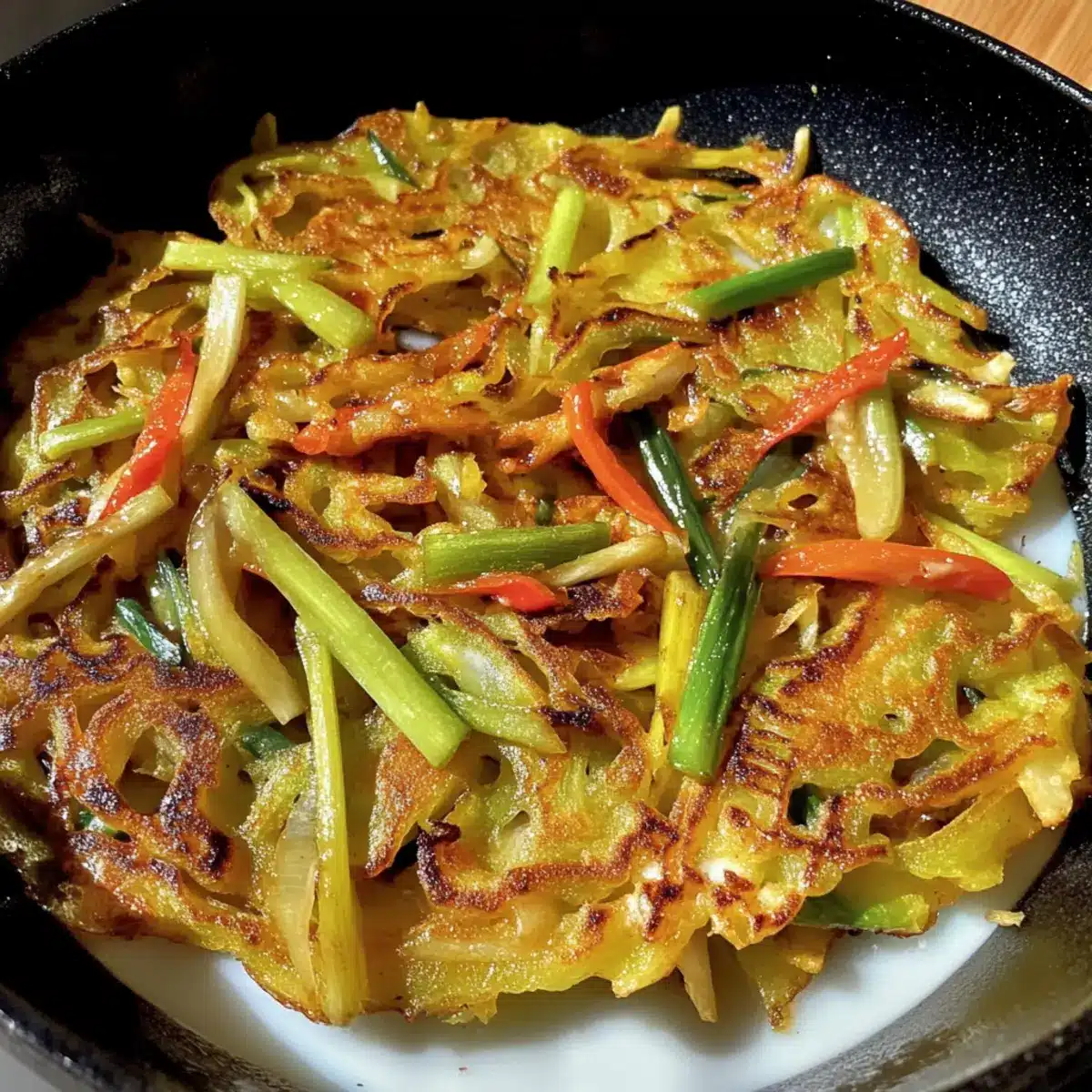
Why Make Korean Vegetable Pancakes?
Crispy Delight: These Korean Vegetable Pancakes boast golden, crispy edges that will make your taste buds dance with joy.
Healthful Goodness: Packed with vibrant veggies, they’re not only delicious but also a wholesome addition to your meals.
Quick & Easy: In just a few steps, you can whip up a snack or side dish that’s perfect for busy weekdays or entertaining guests.
Versatile Flavor: Customize your pancakes with seasonal vegetables or try adding some kimchi for an extra kick; the options are endless!
Crowd-Pleaser: Whether at a family dinner or a casual gathering, these pancakes are sure to impress everyone. Pair them with a dipping sauce and watch them disappear!
For more vegetable goodness, check out our delightful Mediterranean Vegetable Lasagna or explore the vibrant flavors of Sauteed Vegetables.
Korean Vegetable Pancakes Ingredients
• Let’s gather the essentials for making those delightful Korean Vegetable Pancakes!
For the Batter
- Flour – Forms the base of the batter, crucial for structure; use gluten-free flour for a gluten-free option.
- Cornstarch – Enhances crispiness, giving your pancakes a light texture.
- Water – Hydrates the dry ingredients to form batter; adjust for your desired consistency.
- Turmeric – Adds a beautiful golden hue and a hint of warmth.
- Salt – Elevates the overall flavor of the pancakes.
- Baking Powder – Contributes lift, making the pancakes fluffy and inviting.
For the Vegetables
- Green Onions – Bring freshness and a mild onion flavor; can be substituted with chives.
- Red Onion – Adds sweetness and vibrant color to the mix.
- Carrot – Provides sweetness and texture; use zucchini for a fun variation.
- Red Pepper – Offers color and sweetness; feel free to swap with any bell pepper.
- Cabbage – Introduces crunch and volume; bok choy works as a substitute.
- Hot Pepper – Adds warmth and spice; omit for a milder profile.
For Frying & Dipping Sauce
- Oil for Frying – Essential for crisping; choose neutral oils like vegetable or canola for a clean flavor, or sesame oil for added aroma.
- Soy Sauce – The base for your dipping sauce, providing umami depth to complement the pancakes.
- Rice Vinegar – Balances flavors with its acidity in the dipping sauce.
- Toasted Sesame Seeds – Contribute nutty flavor and delightful texture in the sauce.
- Chili Flakes – Add some spice to the dipping sauce; adjust to your taste preference.
- Sesame Oil – A finishing touch for the dipping sauce, enhancing both aroma and flavor.
With all these ingredients ready, you’ll be on your way to making the most delectable Korean Vegetable Pancakes that everyone will love!
Step‑by‑Step Instructions for Korean Vegetable Pancakes
Step 1: Prepare Vegetables
Begin by washing and slicing your vegetables: finely chop green onions, red onion, and hot pepper, and grate the carrot. Julienne the red pepper and shred the cabbage to enhance texture and flavor in your Korean Vegetable Pancakes. Aim for uniform sizes to ensure even cooking. Set aside the prepared vegetables in a large mixing bowl to streamline the next steps.
Step 2: Make Batter
In a separate bowl, whisk together flour, cornstarch, turmeric, salt, baking powder, and about 1 cup of water until you achieve a smooth batter without lumps. The batter should be thick but pourable, providing the right consistency to cling to the vegetables. Adjust the water as needed to reach your desired thickness, preparing it for mixing with the vibrant veggies.
Step 3: Mix Vegetables
Gently fold the sliced vegetables into the prepared batter until they are evenly coated. Use a spatula to ensure every piece is enveloped, which will allow for a deliciously balanced flavor in your Korean Vegetable Pancakes. The mixture will be colorful and inviting, a visual preview of the deliciousness to come.
Step 4: Prepare Dipping Sauce
While your vegetable batter rests, combine soy sauce, rice vinegar, sesame oil, toasted sesame seeds, and chili flakes in a small bowl. Mix well until fully combined. This dipping sauce will provide a wonderful contrast to the crispy pancakes, enhancing their flavor with its umami and tangy notes. Set aside to let the flavors meld together while you cook.
Step 5: Heat Pan
Place a non-stick skillet over medium heat and add a generous amount of oil, ensuring the bottom is evenly coated. Allow the oil to heat for about 2-3 minutes until shimmering but not smoking. This step is crucial for achieving those delightful crispy edges on your Korean Vegetable Pancakes. You may need to adjust the heat as you cook to maintain an even temperature.
Step 6: Cook Pancakes
Spoon portions of the vegetable batter into the hot skillet, spreading each pancake thin to maximize crispiness. Cook for about 3-4 minutes on the first side or until golden brown, then carefully flip and cook the other side for an additional 2-3 minutes. Keep an eye on the color; it should be a beautiful golden brown when done.
Step 7: Repeat Cooking
Continue cooking the rest of the batter in batches, adding more oil to the pan as necessary. Ensure that the skillet isn’t overcrowded to allow for even cooking. Each batch should produce you with perfectly crispy, delicious Korean Vegetable Pancakes that are sure to impress everyone at the table.
Step 8: Serve
Once cooked, transfer the pancakes to a serving platter and serve them warm alongside your tasty dipping sauce. These delightful Korean Vegetable Pancakes make for a perfect snack or light meal, showcasing their beautiful golden crispiness and inviting colors. Enjoy the delicious flavors and the smiles they bring!
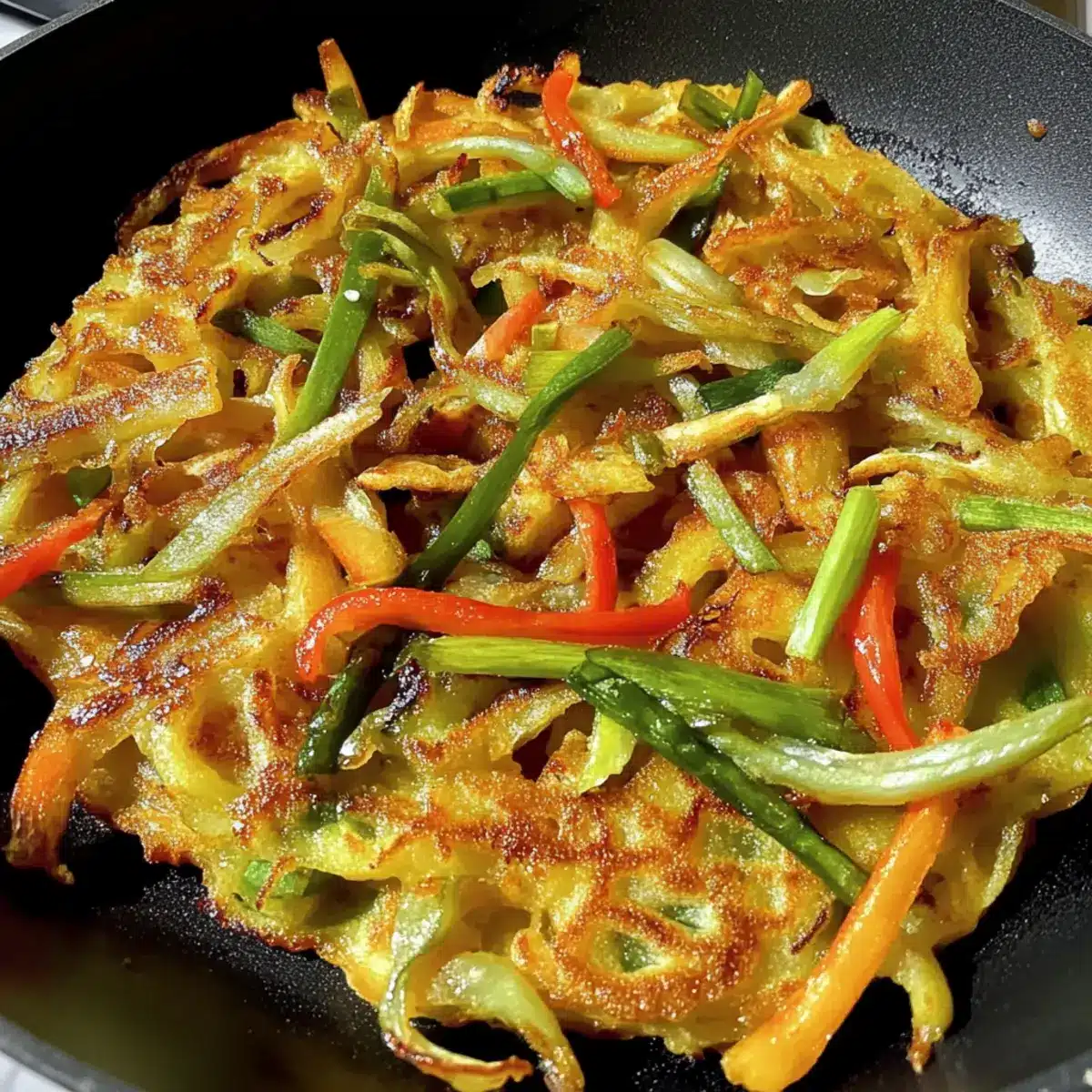
Korean Vegetable Pancakes Variations & Substitutions
Feel free to unleash your creativity with these delightful Korean Vegetable Pancakes—customization is part of the fun!
- Gluten-Free: Use a gluten-free flour blend to maintain the delicious texture while accommodating dietary needs.
- Vegan Twist: Omit any egg in the batter; the pancakes will still be fluffy with the right mix of veggies!
- Extra Crispy: Mix in a touch of rice flour with your regular flour for a super crispy exterior that will crunch with every bite.
- Spicy Kick: Add diced jalapeños or a sprinkle of Korean gochugaru to the mixture for a fiery flavor explosion.
- Herb Infusion: Toss in some fresh herbs like cilantro or parsley to brighten the flavors and add extra freshness.
- Zucchini Substitute: Replace carrots with shredded zucchini for a different texture and a slightly milder flavor.
- Mushroom Magic: Incorporate finely chopped mushrooms to deepen the umami punch and create a heartier pancake experience.
- Kimchi Addition: Fold in chopped kimchi for added tang and spice, creating a bold, flavorful twist on the classic.
With these suggestions, your Korean Vegetable Pancakes will always have something new to offer. If you’re looking to explore more veggie-packed options, consider making a vibrant dish like Roasted Vegetable Orzo or perhaps serving alongside some scrumptious Healthy Sauteed Vegetables. Enjoy experimenting!
Make Ahead Options
These Korean Vegetable Pancakes (Yachaejeon) are perfect for meal prep and can save you precious time on busy weeknights! You can prepare the batter and refrigerate it, covered, for up to 24 hours. Simply chop and mix your vegetables in advance, storing them in an airtight container to keep them fresh. When you’re ready to enjoy, just combine the prepped veggies with the batter, and fry as directed. For an even longer option, fully cooked pancakes can be refrigerated for up to 3 days; just reheat in a skillet over medium heat to restore their crispiness. With this make-ahead strategy, you can serve delicious, fresh pancakes with minimal effort!
How to Store and Freeze Korean Vegetable Pancakes
Fridge: Store any leftover Korean Vegetable Pancakes in an airtight container for up to 2 days. Reheat them in a skillet over medium heat for a crisp texture.
Freezer: Freeze pancakes by placing parchment paper between layers in an airtight container for up to 1 month. To reheat, place them in a preheated oven at 375°F (190°C) until heated through, or warm in a skillet.
Thawing: When you’re ready to enjoy frozen pancakes, it’s best to thaw them in the fridge overnight before reheating to ensure even warmth.
Reheating Tips: To retain their delicious crispiness, always reheat Korean Vegetable Pancakes in a skillet rather than the microwave.
Expert Tips for Korean Vegetable Pancakes
-
Thin Batter: Spread the batter thinly in the skillet for maximum crispiness and an enjoyable texture.
-
Cook in Batches: Fry one or two pancakes at a time to avoid overcrowding, ensuring even cooking and golden edges.
-
Fresh Ingredients: Use fresh, crunchy vegetables for the best flavor and texture in your Korean Vegetable Pancakes.
-
Adjust Water: If your batter is too thick, gradually add more water to achieve the right consistency for an easy-to-coat mixture.
-
Storage Savvy: Refrigerate any leftover pancakes in an airtight container for up to 2 days, and reheat them in a skillet for the best results.
What to Serve with Crispy Korean Vegetable Pancakes?
Elevate your meal experience by pairing these delightful pancakes with complementary sides and flavors that enhance their deliciousness.
-
Fresh Cucumber Salad: This refreshing salad adds crunch and a cool bite, perfectly balancing the savory pancakes. Toss cucumber slices with a splash of rice vinegar for added zing.
-
Kimchi: The bold, tangy flavors of this fermented vegetable dish contrast wonderfully with the mildness of the pancakes, adding a probiotic twist. Enjoy this classic Korean staple for an authentic experience!
-
Sweet Potato Fries: Soft, sweet, and slightly crisp, sweet potato fries provide a comforting twist while contrasting beautifully with the savory pancakes. This pairing plays with sweet and umami flavors seamlessly.
-
Stir-Fried Bok Choy: The lightness of stir-fried bok choy brings a vibrant touch and adds a quick, nutritious side that complements the pancakes’ texture and flavor without overwhelming them.
-
Miso Soup: Warm and soothing, a bowl of miso soup is the perfect way to warm your soul while providing an umami counterpart that ties together your meal beautifully.
-
Sesame Noodles: These noodles, coated in a light sesame sauce, offer a nutty flavor and chewy texture that perfectly complements the crispiness of the pancakes, creating a delightful contrast.
-
Cherry Tomatoes Drizzled with Olive Oil: The burst of juicy cherry tomatoes alongside olive oil enhances freshness while adding a touch of acidity that elevates the flavors of your meal.
-
Chilled Soju: For a refreshing drink, serve Korean rice wine, which beautifully balances savory flavors with a smooth finish. It’s a light and enjoyable way to enhance the overall dining experience.
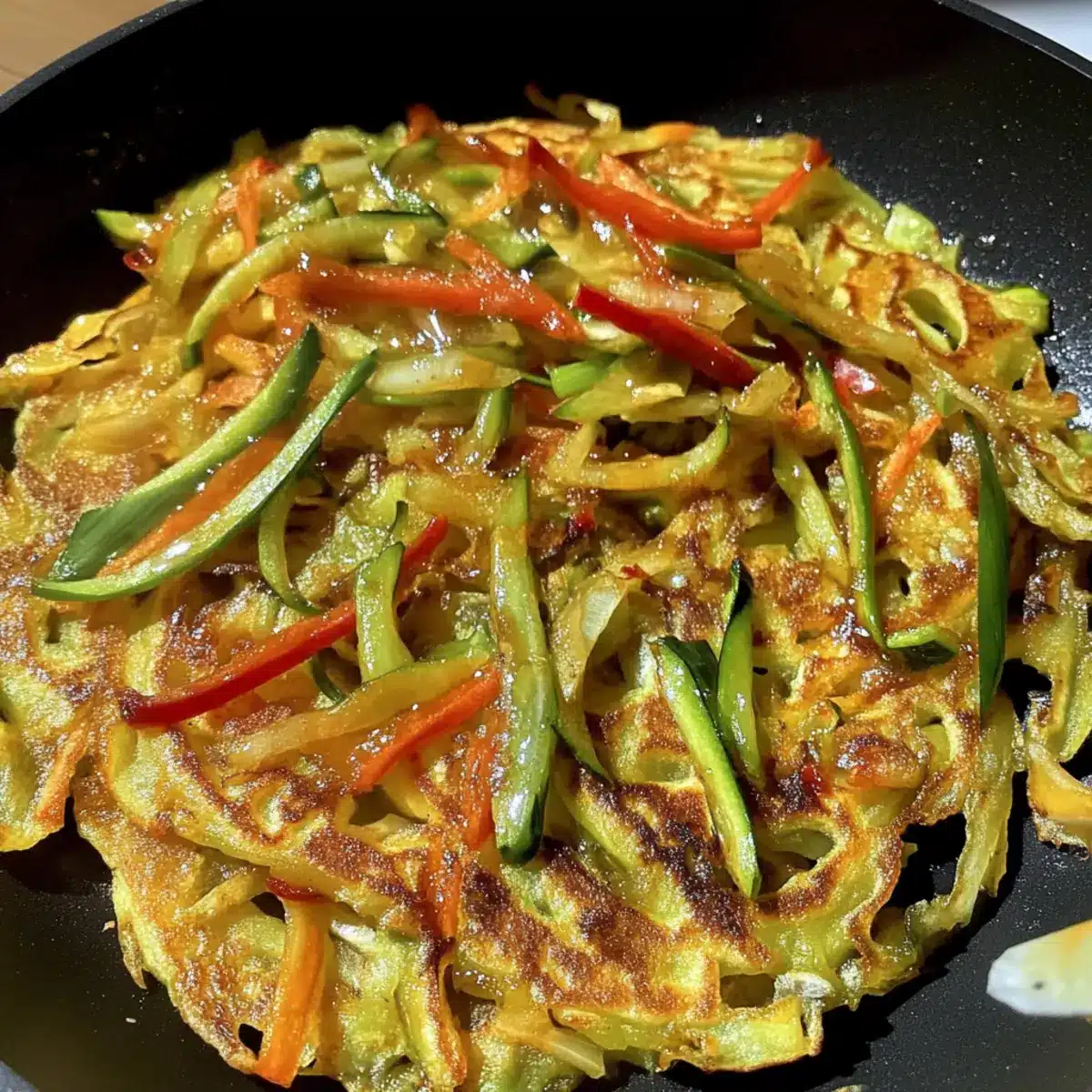
Korean Vegetable Pancakes Recipe FAQs
How do I select the right vegetables for Korean Vegetable Pancakes?
Absolutely! Choose fresh, crunchy vegetables for your pancakes. Look for vibrant colors and avoid any that show dark spots or wilting. Green onions, red peppers, and cabbage are traditional choices, but feel free to mix in seasonal vegetables like zucchini or mushrooms for added flavor and variety.
How should I store leftover Korean Vegetable Pancakes?
To store them, place the cooled pancakes in an airtight container and refrigerate for up to 2 days. When you’re ready to enjoy them again, I recommend reheating them in a skillet over medium heat for about 3-4 minutes, which helps maintain their crispy texture. That way, they taste just as delightful as when you first made them!
Can I freeze Korean Vegetable Pancakes?
Yes, you can! To freeze, layer the pancakes between sheets of parchment paper in an airtight container or freezer bag. They will keep well for up to 1 month. When you’re ready to enjoy them, thaw in the fridge overnight, then reheat in a preheated oven at 375°F (190°C) for about 10-15 minutes, or warm in a skillet to get them crispy again.
What should I do if my pancake batter is too thick?
If your batter feels thick and hard to spread, don’t fret! Gradually add a tablespoon of water at a time, whisking until you reach a smooth, pourable consistency. The goal is for the batter to cling to the vegetables without being overly runny. This will help create those perfectly crispy edges!
Are Korean Vegetable Pancakes safe for people with allergies?
While these pancakes can be made gluten-free by using the appropriate flour, always be mindful of specific allergies or dietary restrictions. Check that the oil, soy sauce, and any additional ingredients (like sesame oil) are safe for those with allergies. Tailoring the recipe to suit dietary needs is a smart move!
How long can I keep Korean Vegetable Pancakes in the fridge or freezer?
In the fridge, you can store them for up to 2 days, and in the freezer, they’re good for about 1 month. For the best flavor and texture upon reheating, I highly recommend following the reheating tips provided earlier to ensure each bite is as delicious as fresh!
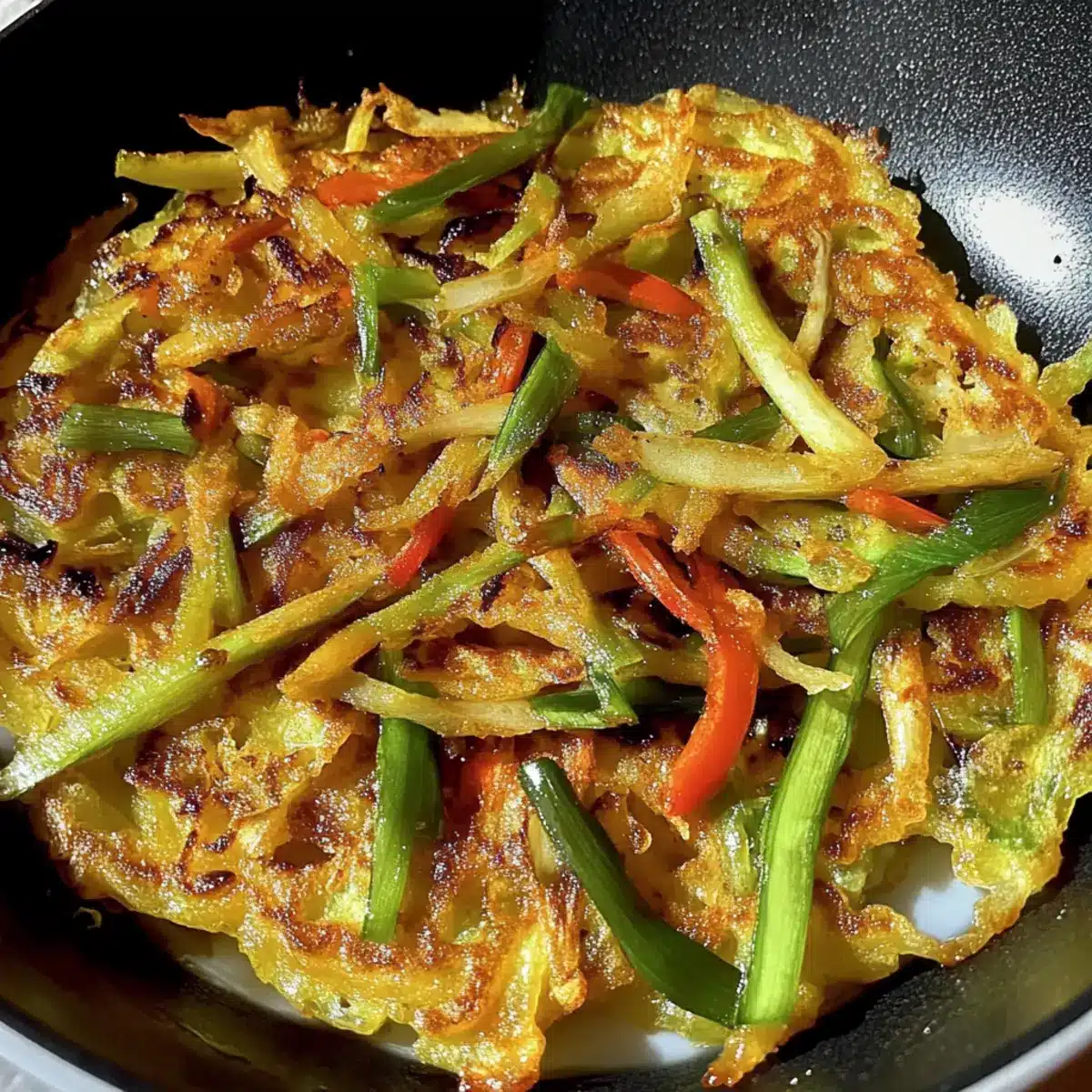
Crispy Korean Vegetable Pancakes You'll Love to Snack On
Ingredients
Equipment
Method
- Prepare Vegetables: Wash and slice vegetables; set aside.
- Make Batter: Whisk together flour, cornstarch, turmeric, salt, baking powder, and water to form a smooth batter.
- Mix Vegetables: Fold the sliced vegetables into the batter until evenly coated.
- Prepare Dipping Sauce: Combine soy sauce, rice vinegar, sesame oil, toasted sesame seeds, and chili flakes.
- Heat Pan: Heat oil in skillet over medium heat until shimmering.
- Cook Pancakes: Spoon batter into the skillet, cook until golden brown on both sides.
- Repeat Cooking: Cook remaining batter in batches.
- Serve: Transfer pancakes to a platter and serve warm with dipping sauce.
Leave a Reply